In today’s health-conscious environment, maintaining a strong immune system has become a priority for many individuals. As we face various health challenges, implementing proven strategies can significantly enhance our immune defenses. This article outlines four effective methods to boost your immune system, providing insights based on scientific evidence and practical advice.
1. Focus on Nutrient-Dense Foods
A strong immune system is built on a well-rounded diet rich in essential nutrients. Vitamins and minerals play a vital role in supporting immune health. Here are some key nutrients to include in your diet:
- Vitamin C: This powerful antioxidant is abundant in citrus fruits, berries, and vegetables like bell peppers and broccoli, known for its immune-boosting benefits.
- Vitamin D: Vital for immune function, vitamin D can be sourced from fatty fish, fortified dairy products, and sunlight exposure.
- Zinc: Crucial for the function of immune cells, zinc can be found in lean meats, nuts, seeds, and legumes.
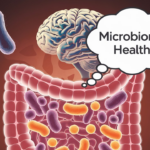
- Probiotics: Present in fermented foods such as yogurt, sauerkraut, and kimchi, probiotics support a healthy gut microbiome, which is closely linked to immune health.

2. Incorporate Regular Physical Activity
Engaging in regular exercise is fundamental to overall health and has a significant impact on the immune system. Consistent physical activity can:

- Boost Immune Function: Moderate exercise enhances the production and circulation of immune cells, leading to a stronger defense against infections.
- Reduce Chronic Inflammation: Exercise helps manage inflammation, promoting a balanced immune response and reducing the risk of chronic diseases.
- Improve Blood Circulation: Good circulation ensures efficient transport of immune cells and nutrients throughout the body, optimizing immune function.
- Alleviate Stress: Regular physical activity acts as a powerful tool for stress management, as chronic stress can negatively affect the immune system.

3. Ensure Quality Sleep
The significance of sleep for immune health is immense. Quality sleep is vital for several reasons:
- Cellular Repair: Sleep is a time for the body to repair and regenerate, including the production of immune cells.
- Formation of Immune Memory: Adequate sleep enhances the immune system’s ability to remember and respond effectively to past infections.
- Cytokine Production: Sleep regulates the production of cytokines, which are essential for immune communication and response.
- Stress Management: Quality sleep contributes to stress reduction, preventing the adverse effects of chronic stress on immune health.
4. Implement Effective Stress Management Techniques
Chronic stress can hinder immune function. To combat this, consider the following stress management strategies:
- Mindfulness and Meditation: Practices like mindfulness meditation can alleviate stress and promote a balanced immune response.
- Physical Activity: Regular exercise not only benefits physical health but also serves as an effective stress reliever.
- Social Connections: Maintaining strong relationships and seeking support from family and friends can enhance emotional well-being and reduce stress.
- Engaging in Hobbies: Pursuing enjoyable activities or relaxation techniques can help mitigate stress and its impact on immune function.

In these challenging times, enhancing our immune system is a proactive step toward achieving optimal health. By focusing on nutrient-rich foods, engaging in regular exercise, prioritizing quality sleep, and managing stress effectively, we can fortify our immune resilience. Incorporating these strategies into our daily lives fosters a holistic approach to well-being, empowering our immune defenses and promoting a healthier future.