The Gut-Immune Connection: How Your Digestive System Controls Your Body’s Defense Network
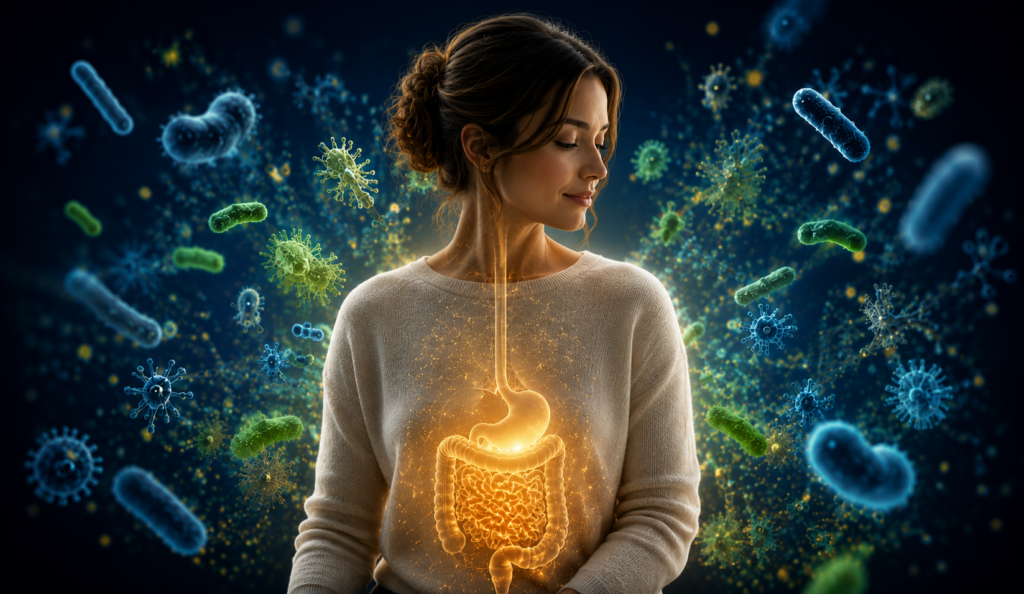
Most people think of their immune system as something separate from their digestive system — two different systems doing two different jobs. The latest science tells a very different story. Your gut and your immune system are so deeply intertwined that researchers now consider them a single unified system. You cannot have a strong, resilient immune system without a healthy, balanced gut.
The 70% Factor Most People Never Learn
Here is a fact that fundamentally changes how you think about health: approximately 70% of your entire immune system lives inside your gut. Specifically, it lives in a network of specialized immune tissue called gut-associated lymphoid tissue — known as GALT — that lines your intestinal walls from end to end.
This tissue acts as a continuous monitoring system, sampling everything that passes through your digestive tract 24 hours a day, 7 days a week. Every meal, every drink, every supplement you take passes directly through this immune surveillance system. Your gut immune tissue evaluates each one and makes a critical decision: is this safe, or is this a threat?
A healthy gut makes accurate, measured decisions. A damaged gut makes poor ones — either letting real threats pass through undetected or, just as dangerously, triggering alarm responses to harmless food particles. That overreaction pattern is the foundation of food sensitivities, chronic inflammation, and many autoimmune conditions.
Your Microbiome: The Immune System’s Training Academy
Inside your gut live approximately 38 trillion microorganisms — bacteria, fungi, viruses, and other microbes collectively known as your microbiome. This is not contamination. This is a carefully co-evolved ecosystem that your immune system depends on completely.
Think of your microbiome as a military academy for your immune cells. The diverse community of beneficial bacteria that populates a healthy gut teaches your immune system to distinguish between friend and foe — between harmless food proteins and dangerous pathogens, between your own tissue and foreign invaders. This process of immune education begins at birth and continues throughout your entire life.
When that microbial community is diverse and thriving, your immune training is sharp, accurate, and well-calibrated. When it is depleted or imbalanced — a condition called dysbiosis — your immune training breaks down. The consequences range from increased susceptibility to infections and slower recovery, all the way to the immune system turning on the body’s own tissues in autoimmune conditions.
Research from the University of Sydney published in 2024 confirms that specific gut microbiota signatures — meaning the particular balance of bacterial species present — are directly associated with the development of various autoimmune disorders. A single change in microbial composition can alter how your immune cells respond to threats, how much inflammation your body produces, and how quickly you recover from illness.
Leaky Gut: When the Wall Comes Down
Your intestinal lining is a remarkable structure — a single cell layer thick yet designed to serve as one of the most selective barriers in the human body. It allows nutrients to pass through into your bloodstream while keeping bacteria, toxins, and undigested food particles out. The integrity of this barrier depends on structures called tight junctions — microscopic protein connections between intestinal cells that act like security gates.
When tight junctions are compromised, the intestinal barrier becomes permeable. This is what is commonly called leaky gut — and while the term sounds informal, the underlying science is anything but. Research published in PMC in December 2024 confirms that gastrointestinal barrier dysfunction directly contributes to systemic inflammation across multiple chronic diseases.
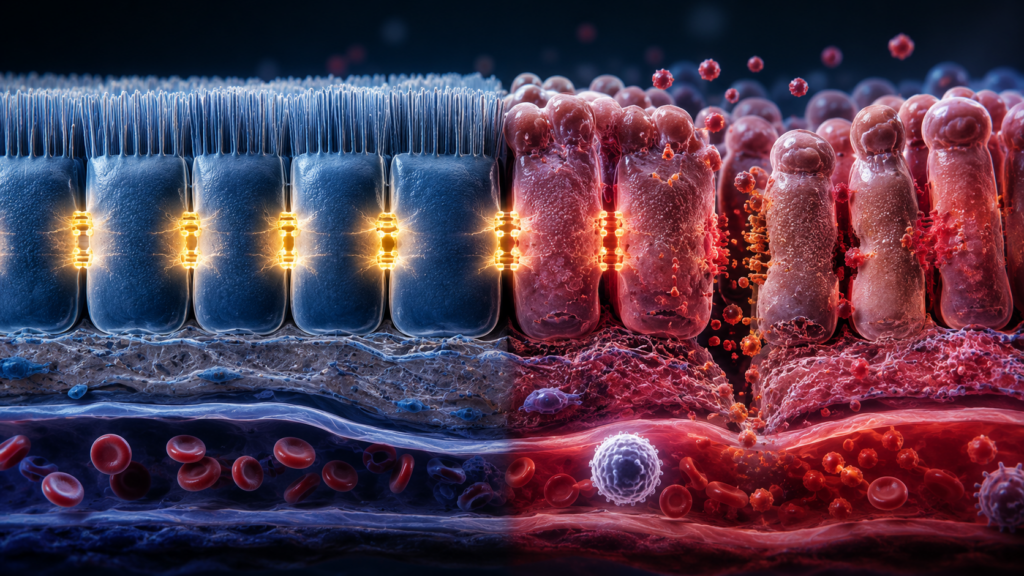
When the gut lining becomes permeable, bacterial fragments — particularly a compound called lipopolysaccharide (LPS) — can pass through the intestinal wall and enter general circulation. Once LPS reaches the bloodstream, it triggers an immediate and powerful immune alarm response. The problem is this: when this happens repeatedly — as it does in people with chronically leaky gut — the immune system never gets to rest. It stays in a constant state of low-grade alert, producing inflammatory compounds continuously.
This chronic, low-grade inflammation is now linked to:
-
Autoimmune conditions including rheumatoid arthritis, lupus, and Hashimoto’s thyroiditis
-
Metabolic conditions including type 2 diabetes and obesity
-
Neurological conditions including depression, anxiety, and cognitive decline
-
Cardiovascular disease
-
Accelerated biological aging
Research from The Wistar Institute published in 2024 found a significant connection between disrupted gut microbiomes, increased intestinal permeability, and faster biological aging — suggesting that protecting your gut lining is not just an immune health strategy, it is a longevity strategy.
What Causes Leaky Gut and Dysbiosis
Understanding what damages your gut is as important as knowing how to restore it. The most well-researched causes of both dysbiosis and increased intestinal permeability include:
Diet
The Western diet — high in ultra-processed foods, refined sugars, red meat, and artificial additives — is one of the most damaging forces on the gut microbiome. Research published in Nature by the University of Chicago in 2025 demonstrated that mice fed a Western-style diet were unable to rebuild a healthy, diverse microbiome after antibiotic treatment. Mice fed a Mediterranean-style diet high in plant fiber recovered quickly and completely. The conclusion is stark: what you eat determines whether your gut can recover and repair itself.
Antibiotic use
Antibiotics are lifesaving medicines — but they do not discriminate between harmful bacteria and the beneficial ones your immune system depends on. A single course of broad-spectrum antibiotics can reduce gut microbial diversity by up to 30% and alter microbiome composition for months or even years afterward.
Chronic stress
Your gut has its own nervous system — the enteric nervous system — and it responds directly to psychological stress. Chronic stress elevates cortisol and adrenaline, which alter the composition of gut bacteria, increase intestinal permeability, and suppress the immune cells lining your gut. Research published in Biological Psychiatry confirms that stress-induced inflammation and intestinal permeability are directly linked.
Sleep deprivation
Your gut microbiome has its own circadian rhythm — a daily cycle tied to your sleep-wake schedule. Chronic poor sleep disrupts this rhythm, reduces microbial diversity, and increases inflammatory markers. Just three consecutive nights of poor sleep measurably alters gut microbiome composition in healthy adults.
Artificial sweeteners and food additives
Emulsifiers — compounds added to processed foods to improve texture and shelf life — have been shown in multiple studies to directly damage the mucus layer that protects the intestinal wall, increasing permeability and disrupting microbial balance.
Aging
Research published in Biogerontology in 2024 found that the microbial imbalances that occur with aging contribute directly to immune senescence — the gradual deterioration of immune function — inflammation, and leaky gut disease. This makes gut health interventions especially important as you age.
The Gut-Autoimmune Connection
One of the most significant areas of emerging gut-immune research involves autoimmune disease. NIH research published in September 2025 found that a specific gut microbe called Enterococcus gallinarum can move through the gut barrier and into organs, directly triggering autoimmune responses in genetically susceptible individuals — and identified the same microbe in people with human autoimmune diseases.
This is a landmark finding. It suggests that for some people, autoimmune disease does not begin with a faulty immune system — it begins with a compromised gut barrier that allows a specific microbe to escape and set off a chain reaction.
Research published in Science Direct in 2026 confirms that gut microbiota dysbiosis contributes to autoimmune disease through multiple immune pathways — including altering T-cell populations, impairing immune tolerance, and triggering chronic inflammatory signaling. Targeting the microbiome is now being actively researched as a therapeutic approach for conditions including multiple sclerosis, lupus, rheumatoid arthritis, and inflammatory bowel disease.
Short-Chain Fatty Acids: The Immune System’s Most Important Fuel
One of the most critical — and most overlooked — connections between gut health and immunity involves compounds called short-chain fatty acids (SCFAs), particularly butyrate, propionate, and acetate. These are produced when beneficial gut bacteria ferment dietary fiber.
SCFAs are not simply byproducts of digestion. They are active immune regulators that:
-
Reduce chronic inflammation by signaling immune cells to produce anti-inflammatory compounds and suppress unnecessary inflammatory responses
-
Strengthen tight junctions in the intestinal wall, directly reducing intestinal permeability and leaky gut
-
Regulate T-regulatory cells — the immune cells responsible for preventing overreaction and autoimmunity
-
Provide energy to colonocytes — the cells lining your colon — keeping the gut wall structurally strong
-
Communicate directly with the brain via the vagus nerve, influencing mood, cognition, and stress response
When dietary fiber intake is low, beneficial bacteria are starved, SCFA production drops, the gut wall weakens, inflammation rises, and immune regulation becomes erratic. This is the direct biochemical pathway between a low-fiber Western diet and chronic immune dysfunction.
The Gut-Immune-Brain Axis
The relationship between your gut and your immune system does not stop at the intestinal wall. It extends all the way to your brain through a sophisticated communication network called the gut-immune-brain axis — a bidirectional highway connecting your digestive system, immune system, and central nervous system simultaneously.
Research published in Nature in 2025 describes this axis as a critical regulator of both physical and mental health. The gut communicates with the brain through the vagus nerve, through immune signaling molecules called cytokines, and through microbially-produced neurotransmitter precursors including serotonin — approximately 90% of which is produced in the gut, not the brain.
A landmark UK research initiative launched in April 2025 with £4.5 million in funding is specifically dedicated to mapping this three-way connection — investigating how gut health influences anxiety, depression, dementia, cognitive decline, and brain aging across the lifespan.
The practical implication is profound: when your gut is inflamed and your microbiome is imbalanced, you do not just feel physically unwell. You feel mentally foggy, emotionally flat, anxious, and tired. Restoring gut health frequently produces improvements in energy, mood, and mental clarity that patients describe as transformative.

How to Restore and Strengthen the Gut-Immune Connection
The good news is that the gut microbiome is highly responsive to lifestyle intervention. According to UCLA Health, meaningful improvements in gut microbiome composition can be observed within weeks of dietary changes — though substantial long-term restoration typically takes three to six months of consistent effort.
Step 1: Diversify Your Plant Food Intake
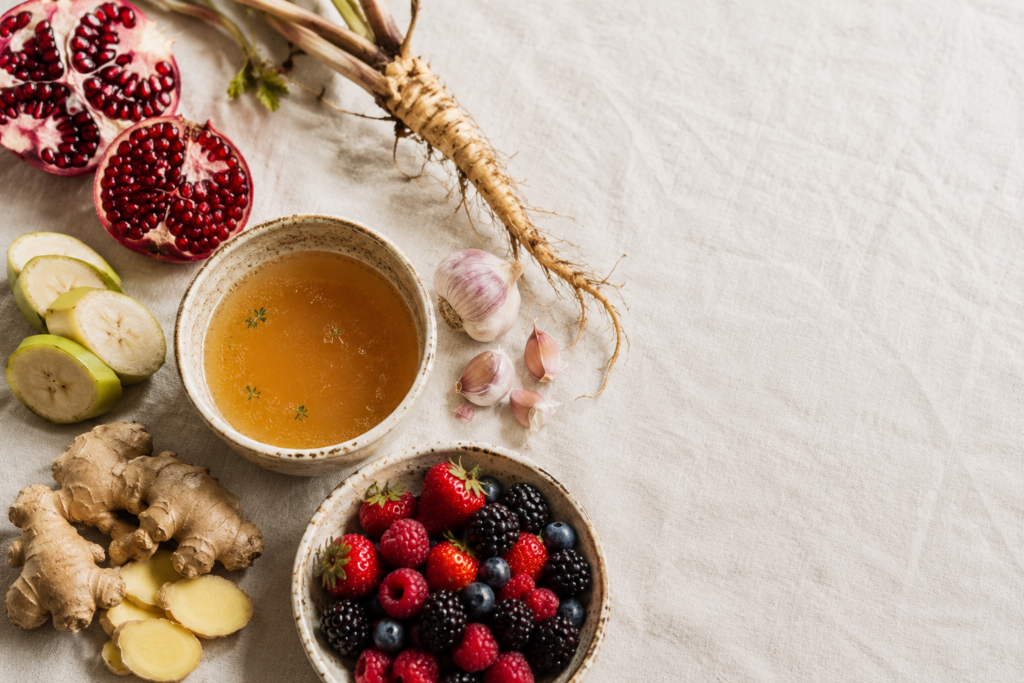
The single strongest predictor of microbiome diversity is the diversity of plant foods in your diet. Aim for 30 or more different plant foods per week — this includes vegetables, fruits, whole grains, legumes, nuts, seeds, herbs, and spices. Each different plant food feeds a different species of beneficial bacteria, building a more robust and resilient microbial community.
Step 2: Prioritize Fermented Foods Daily
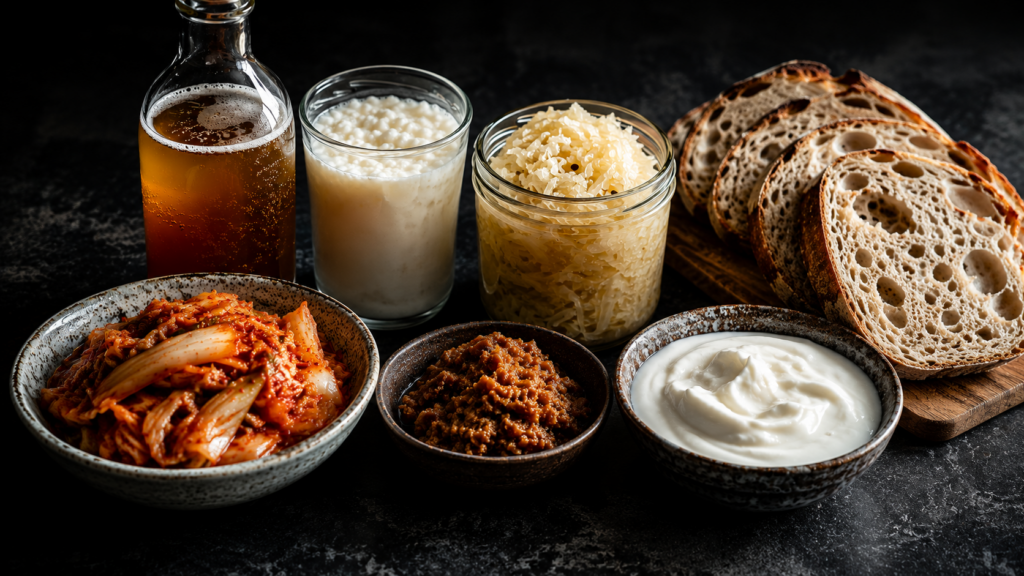
Fermented foods directly introduce live beneficial bacteria into your digestive system. Include at least one serving daily of:
-
Plain yogurt or kefir (dairy or non-dairy)
-
Sauerkraut or kimchi (unpasteurized, from the refrigerator section)
-
Kombucha
-
Miso or tempeh
-
Traditional buttermilk
Step 3: Feed Your Beneficial Bacteria With Prebiotics
Prebiotics are specific types of fiber that your gut bacteria ferment to produce SCFAs. The best prebiotic food sources include garlic, onions, leeks, asparagus, Jerusalem artichokes, bananas, oats, and chicory root.
Step 4: Eliminate the Biggest Gut Disruptors
Remove or significantly reduce:
-
Ultra-processed foods and fast food
-
Added sugars and high-fructose corn syrup
-
Artificial sweeteners (particularly sucralose and saccharin)
-
Excess alcohol
-
Unnecessary antibiotic use
Step 5: Manage Stress Actively
Because chronic stress directly alters gut bacteria composition within hours, stress management is not optional — it is a gut health intervention. Daily practices with strong evidence include: meditation, diaphragmatic breathing, time in nature, moderate exercise, and adequate social connection.
Step 6: Prioritize Sleep Quality
Aim for 7-9 hours of consistent, quality sleep. Going to bed and waking at the same time daily synchronizes your gut microbiome’s circadian rhythm and supports overnight gut barrier repair.
Step 7: Consider a Quality Probiotic
Look for multi-strain formulas with published clinical evidence, at least 10 billion CFU, and strains from the Lactobacillus and Bifidobacterium families. Store according to label instructions — many probiotics require refrigeration to maintain viability.
The Bottom Line
Your gut is not just a digestive organ. It is the headquarters of your immune system, the training ground for your immune cells, and the primary determinant of whether your body stays in a state of balance or chronic inflammation.
Every meal you eat either feeds a stronger, more resilient immune system — or chips away at the gut barrier that protects it. The gut-immune connection is not a wellness trend. It is one of the most robustly researched areas of modern medicine, with implications that extend from infection resistance to autoimmune disease, mental health, and longevity.
Restoring your gut health is not complicated — but it does require consistency. The steps above are not quick fixes. They are the daily practices that, over weeks and months, rebuild the microbial foundation your immune system was designed to stand on.