Metabolic and Mitochondrial Health: The Cellular Engine Behind a Resilient Immune System
If the gut is the training ground of your immune system, mitochondria are the power supply. Without adequate cellular energy, your immune cells cannot mount a meaningful defense — regardless of how clean your diet is, how many supplements you take, or how diligently you manage stress. Understanding and protecting your mitochondrial health may be the most underappreciated key to long-term immune resilience and healthy aging.

What Are Mitochondria, And Why Do They Matter Far Beyond Energy
Mitochondria are small, highly specialized structures found inside virtually every cell in your body. They are most commonly described as the “powerhouse of the cell” because their primary function is producing ATP (adenosine triphosphate), the energy currency that powers every biological process in every organ, tissue, and cell.
But calling mitochondria simply an energy producer is like calling the internet a way to send email. It is technically accurate and profoundly incomplete.
According to the NIH’s July 2025 research update, mitochondria:
-
Regulate how neurons communicate and process information
-
Initiate apoptosis — the controlled self-destruction of damaged, dysfunctional, or cancerous cells
-
Directly control inflammatory response — determining when inflammation is triggered and when it resolves
-
Sense the presence of bacterial and viral invaders and activate immune defenses in response
-
Regulate calcium signaling throughout the cell
-
Influence the rate of biological aging at the cellular level
-
Produce heat to maintain body temperature
Because mitochondria are involved in such fundamental processes, the NIH research team concluded that mitochondrial dysfunction contributes to an extraordinarily wide range of conditions, from diabetes and cardiovascular disease to neurodegenerative conditions, autoimmune diseases, and severe outcomes from infections.
The Direct Link Between Mitochondria and Immune Function
Research published in Science Immunology in 2026 confirms that mitochondria have been fundamentally “reappraised as a critical hub linking cellular metabolic states to immune function.” This is not peripheral — it is central. The health of your mitochondria directly determines the quality, speed, and precision of your immune response.
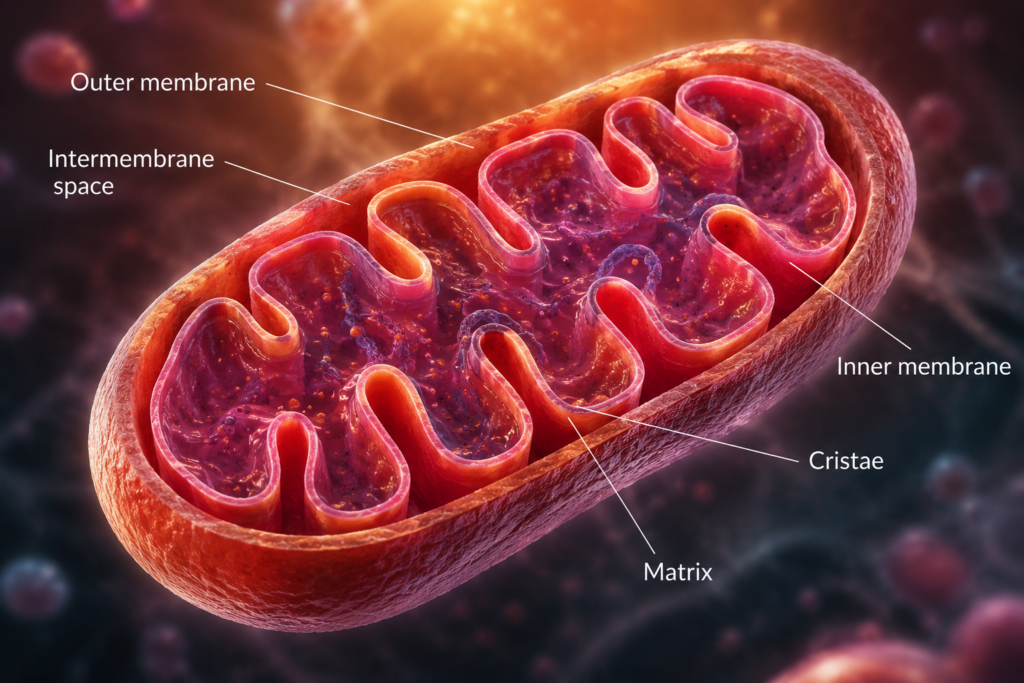
Here is the mechanism in plain terms:
Energy supply for immune activation
When your body detects a pathogen, a virus, bacterium, or other threat, your immune cells must immediately multiply, mobilize, and mount a response. This process requires enormous amounts of ATP. T-cells, B-cells, natural killer cells, and macrophages all undergo dramatic metabolic surges when activated.
Mitochondria with poor function cannot supply this energy surge on demand. The result is a slower, weaker, less targeted immune response — even in people who feel otherwise healthy. This is one reason why aging adults, who have naturally declining mitochondrial function, are more vulnerable to infections and mount less effective responses to vaccination.
Inflammatory regulation
Healthy mitochondria produce controlled, targeted inflammation to fight active threats, and then resolve it cleanly once the threat is neutralized. Dysfunctional mitochondria produce chronic, unresolved inflammation , the kind linked to cardiovascular disease, autoimmune conditions, neurodegenerative diseases, and accelerated aging.
This distinction is critical: it is not just about fighting infection. It is about the immune system’s ability to stand down after a battle is won. Without that resolution capacity, which depends on healthy mitochondrial signaling, the immune system remains in a state of persistent activation that damages its own tissues over time.
Bacterial and viral sensing
Groundbreaking research from the University of Tennessee revealed that mitochondria can directly sense the presence of bacteria and trigger immune responses to trap them, a discovery revealing an entirely new layer of immune surveillance operating at the cellular level. Mitochondria release damage signals called DAMPs (damage-associated molecular patterns) that alert the rest of the immune system to threats — a function that depends entirely on mitochondrial integrity.
What Damages Mitochondria
Several features of modern life directly and measurably impair mitochondrial function:
Sedentary behavior
Mitochondria are adaptive structures. They require physical challenge to maintain their function and number. Without regular physical demand, mitochondria deteriorate through a process called mitochondrial dysfunction, they become fewer, smaller, and less efficient. Regular physical activity is not just cardiovascular health, it is mitochondrial maintenance.
Chronic overfeeding and excess sugar
When mitochondria are overwhelmed with excess glucose and calories, they produce reactive oxygen species (ROS), free radicals that damage mitochondrial membranes and DNA. Over time, this oxidative damage impairs the very machinery mitochondria need to produce energy — a self-reinforcing cycle of dysfunction.
Environmental toxins
Pesticides (particularly organophosphates), heavy metals (mercury, lead, cadmium), air pollution, and certain pharmaceutical drugs directly damage mitochondrial membranes and interfere with the electron transport chain, the core energy-producing machinery inside mitochondria.
Chronic sleep deprivation
During deep sleep, the body activates mitophagy, the quality control process that identifies and eliminates damaged mitochondria, replacing them with new, healthy ones. Chronic sleep deprivation prevents this essential maintenance from completing, allowing damaged mitochondria to accumulate and impair cellular function throughout the body.
Chronic psychological stress
Elevated cortisol, the primary stress hormone, suppresses mitochondrial biogenesis (the creation of new mitochondria), reduces the efficiency of existing mitochondria, and increases oxidative stress. People under chronic stress consistently show measurable impairment in mitochondrial function, which is one biochemical mechanism through which stress suppresses immune function.
Metabolic Syndrome: When Mitochondrial Failure Becomes Systemic
Metabolic syndrome, the cluster of conditions including high blood sugar, excess abdominal fat, high blood pressure, and abnormal cholesterol, affects approximately one third of American adults. It is now understood to be fundamentally a condition of mitochondrial dysfunction at the cellular level.
When mitochondria cannot efficiently process the fuel they receive, the entire metabolic system becomes dysregulated. Cells become insulin resistant, inflammatory signaling increases, and the immune system shifts into a chronic state of low-grade activation. This chronic metabolic inflammation, sometimes called metaflammation, directly impairs immune cells’ ability to mount targeted, appropriate responses to real threats.
The practical implication: addressing metabolic health is not separate from immune health. It is immune health at the cellular level.
Red Light Therapy and Mitochondrial Function
Red light therapy, also called photobiomodulation (PBM), is one of the most researched biohacking technologies for mitochondrial support. It uses specific wavelengths of red (630-700nm) and near-infrared light (800-1100nm) that penetrate tissue and are absorbed by a mitochondrial protein called cytochrome c oxidase, a key component of the electron transport chain.

When cytochrome c oxidase absorbs red and near-infrared light, it produces a measurable improvement in electron transport chain efficiency, increasing ATP production by an estimated 150-200% in cellular studies.
Additional documented effects include:
-
Reduction of pro-inflammatory cytokines (IL-1β, IL-6, TNF-α)
-
Increase in anti-inflammatory signaling molecules
-
Enhancement of antioxidant enzyme activity
-
Stimulation of nitric oxide release, improving circulation and oxygen delivery
-
Acceleration of tissue repair and recovery
Important caveat: While the cellular and animal study evidence is compelling, a comprehensive 2026 review notes that as of 2025, there is still no human clinical trial evidence definitively demonstrating that red light therapy extends lifespan or health span across the whole body. The evidence for specific applications, skin health, pain reduction, muscle recovery, mood, and cognitive function, is stronger than the evidence for whole-body longevity claims.
Practical protocol for red light therapy:
-
Use a quality panel device with both red (660nm) and near-infrared (850nm) wavelengths
-
10-20 minutes per session at the recommended distance from the panel
-
3-5 sessions per week for maintenance; daily use acceptable for active recovery goals
-
Consistency matters more than intensity, regular moderate exposure beats occasional intense sessions
Intermittent Fasting and Mitochondrial Quality Control
One of the most powerful, and completely free, mitochondrial health interventions is intermittent fasting or time-restricted eating. When you stop eating and blood glucose drops, the body activates autophagy and mitophagy, ancient cellular quality control processes that identify and break down damaged cellular components, including dysfunctional mitochondria, and recycle their parts to build new, healthy ones.

This process does not activate while you are fed. It requires a fasted state, which is why the constant eating pattern common in modern life (eating from waking to sleeping) actively suppresses mitochondrial renewal.
Research shows that combining red light therapy with intermittent fasting may produce additive benefits for mitochondrial function, supporting both energy production enhancement (from light therapy) and mitochondrial quality control (from fasting) simultaneously.
Practical protocol:
-
Begin with a 12-hour overnight fast (e.g., finish dinner by 7pm, eat breakfast at 7am)
-
Progress to 14-16 hours if tolerated, which more robustly activates autophagy
-
Maintain adequate protein intake during eating windows to support immune cell production
-
Consult a healthcare provider before fasting if you have diabetes, are pregnant, or have a history of eating disorders
Infrared Sauna and Hormetic Stress
Infrared saunas, which heat the body directly using infrared light rather than heating the surrounding air, produce a controlled thermal stress response that stimulates mitochondrial adaptation. This is an example of hormesis, the principle that controlled, moderate stress triggers a strengthening adaptation response in biological systems.
Regular infrared sauna use has been associated with:
-
Increased expression of heat shock proteins that protect mitochondria from damage
-
Improved mitochondrial efficiency
-
Reduction in systemic inflammatory markers
-
Cardiovascular benefits including improved endothelial function
-
Enhanced detoxification through increased sweating
A landmark Finnish population study following over 2,000 men for 20 years found that those who used a sauna 4-7 times per week had dramatically lower rates of cardiovascular disease, dementia, and all-cause mortality compared to those who used it once weekly, suggesting profound long-term effects on cellular health.

Key Supplements for Mitochondrial Support
Beyond lifestyle interventions, certain nutrients are specifically required for mitochondrial function and become increasingly important as we age:
CoQ10 (Ubiquinol form)
Coenzyme Q10 is an essential component of the mitochondrial electron transport chain, the core machinery through which ATP is produced. Levels naturally decline with age, dropping significantly after 40. People taking statin medications are at particular risk of CoQ10 depletion. The ubiquinol form is significantly better absorbed than ubiquinone. Dose: 100-300mg daily with a meal containing fat.
NAD+ Precursors (NMN or NR)
NAD+ (nicotinamide adenine dinucleotide) is a coenzyme critical for mitochondrial energy metabolism, it acts as an electron carrier in the production of ATP. NAD+ levels decline by approximately 50% between age 40 and 60. Precursors including NMN (nicotinamide mononucleotide) and NR (nicotinamide riboside) have shown promising results in animal studies for restoring NAD+ levels and improving mitochondrial function, with human trials ongoing.
Alpha-Lipoic Acid (ALA)
A powerful antioxidant that works specifically inside mitochondria, uniquely soluble in both water and fat, allowing it to protect mitochondrial membranes and DNA from oxidative damage. ALA also regenerates other antioxidants including Vitamin C, Vitamin E, and glutathione. Dose: 300-600mg daily.
B Vitamins (B1, B2, B3, B5)
The entire B vitamin complex serves as essential cofactors for mitochondrial energy production. Thiamine (B1), riboflavin (B2), niacin (B3), and pantothenic acid (B5) are all directly required for the Krebs cycle and electron transport chain. Deficiency in any one of these impairs mitochondrial ATP production. A quality B-complex supplement covers all bases.
Magnesium
ATP does not function in the body as simply ATP, it functions as MgATP, bound to magnesium. Without adequate magnesium, ATP cannot be properly utilized by cells even if mitochondria are producing it. This makes magnesium arguably the most fundamental mitochondrial support nutrient. Magnesium glycinate: 350-500mg daily.
A Practical Daily Mitochondrial Optimization Protocol
Morning:
-
10-20 minutes of natural sunlight or red light therapy exposure within 30-60 minutes of waking
-
Movement, even a 20-minute walk activates mitochondrial biogenesis
-
Break overnight fast with a protein-rich, nutrient-dense meal
During the day:
-
Minimize prolonged sitting, movement breaks every 60-90 minutes maintain mitochondrial signaling
-
Stay well-hydrated, mitochondrial function requires adequate cellular hydration
-
Manage stress actively, cortisol is a direct mitochondrial suppressor
Evening:
-
Finish eating 3 hours before bed to support overnight mitophagy
-
Prioritize 7-9 hours of quality sleep, this is when mitochondrial repair and renewal occurs
-
Consider infrared sauna 2-4 times per week (evening use may improve sleep quality)
Supplementation:
-
CoQ10 (ubiquinol) with breakfast
-
Magnesium glycinate before bed
-
B-complex with a meal
-
NAD+ precursor (NMN or NR) in the morning
The Bottom Line
Your mitochondria are not just your energy producers. They are the metabolic foundation of your immune system, the regulators of inflammation, and one of the primary determinants of how quickly you age at the cellular level.
Protecting and optimizing your mitochondrial health does not require expensive interventions. It requires consistent application of what the research clearly supports: regular movement, quality sleep, time-restricted eating, strategic cold and heat exposure, minimizing environmental toxins, and targeted nutritional support.
Every one of these interventions is available to you today. And every one of them makes your immune system, and your entire biology, function closer to its true potential.