In recent years, the significance of gut health has gained considerable attention in the realm of overall wellness. The gastrointestinal tract, often dubbed the “second brain,” plays a vital role not just in digestion and nutrient absorption but also in influencing immune function, mental well-being, and numerous other bodily processes. Attaining gut harmony transcends simply alleviating digestive discomfort; it involves nurturing a balanced ecosystem of microorganisms residing in our gut. This guide presents a variety of lifestyle strategies designed to optimize gut health and promote overall well-being.
Understanding Gut Microbiota
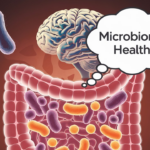
The human gut is home to a complex community of microorganisms, including bacteria, fungi, viruses, and archaea, collectively referred to as gut microbiota. This intricate ecosystem is unique to each individual and plays a crucial role in maintaining gut health. Beneficial bacteria assist in digestion, produce essential nutrients such as vitamins B and K, modulate immune responses, and protect against harmful pathogens. On the other hand, imbalances in gut microbiota, known as dysbiosis, have been associated with various health issues, including gastrointestinal disorders, autoimmune diseases, metabolic syndrome, and mental health challenges.
Dietary Strategies for Optimal Gut Health
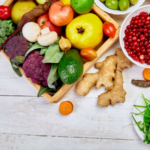
- Incorporate Fiber-Rich Foods: Including a variety of fiber-rich foods in your diet encourages the growth of beneficial gut bacteria. Soluble fiber sources like oats, legumes, and flaxseeds help regulate bowel movements and support the proliferation of beneficial bacteria such as Bifidobacteria and Lactobacilli.
- Consume Probiotic Foods: Probiotics are live microorganisms that offer health benefits when consumed in sufficient amounts. Foods like yogurt, kefir, sauerkraut, kimchi, miso, and tempeh contain probiotic strains that can colonize the gut and enhance its health. Regularly including these fermented foods in your diet helps maintain a healthy balance of gut microbiota.
- Add Prebiotic Foods: Prebiotics are non-digestible fibers that serve as fuel for beneficial gut bacteria. Foods rich in prebiotics include garlic, onions, leeks, asparagus, bananas, and Jerusalem artichokes. Incorporating these foods into your meals supports the nourishment and growth of beneficial gut bacteria.
- Choose Polyphenol-Rich Foods: Polyphenols are plant compounds with antioxidant properties found in fruits, vegetables, nuts, seeds, tea, coffee, and dark chocolate. These compounds can modulate gut microbiota composition, promoting the growth of beneficial bacteria while inhibiting harmful pathogens.
- Include Omega-3 Fatty Acids: Omega-3 fatty acids, found in fatty fish, flaxseeds, chia seeds, walnuts, and hemp seeds, possess anti-inflammatory properties that can help reduce gut inflammation and support a healthy gut microbiota.
- Opt for Fermentable Substrates: Fermentable substrates, such as resistant starches and oligosaccharides, serve as fuel for beneficial gut bacteria. Foods like green bananas, cooked and cooled potatoes, legumes, and certain grains contain resistant starches that resist digestion in the small intestine and ferment in the colon, producing short-chain fatty acids that nourish colon cells and support gut health.
- Stay Hydrated: Adequate hydration is vital for optimal digestive function and maintaining a healthy gut microbiota. Drinking plenty of water throughout the day ensures proper digestion, nutrient absorption, and the elimination of waste products from the body.
Lifestyle Practices for Achieving Gut Harmony
- Manage Stress Effectively: Chronic stress can significantly impact gut health by altering gut microbiota composition, increasing intestinal permeability, and worsening gastrointestinal symptoms. Incorporating stress-reducing practices such as mindfulness meditation, yoga, deep breathing exercises, and spending time in nature can help alleviate stress’s effects on gut health.
- Prioritize Quality Sleep: Quality sleep is essential for overall health, including gut health. Poor sleep habits, such as irregular sleep patterns and sleep disturbances, have been linked to changes in gut microbiota composition, increased gut permeability, and heightened inflammation. Aim for 7-9 hours of restorative sleep each night to support optimal gut function and general well-being.
- Engage in Regular Physical Activity: Exercise positively influences gut microbiota composition and diversity, reduces gut inflammation, and enhances gastrointestinal motility. Regular physical activity, whether aerobic exercise, strength training, yoga, or tai chi, promotes a healthy gut environment and lowers the risk of gastrointestinal disorders.
- Practice Mindful Eating: Mindful eating involves focusing on the sensory aspects of food, such as taste, texture, aroma, and appearance, as well as internal hunger and satiety cues. By eating slowly, chewing thoroughly, and savoring each bite, you can promote optimal digestion, nutrient absorption, and overall gut health.
- Limit Antibiotic Use: While antibiotics are crucial for treating bacterial infections, they can disrupt the balance of gut microbiota by eliminating beneficial bacteria along with harmful ones. Use antibiotics judiciously and follow healthcare provider recommendations to minimize their impact on gut health. If antibiotics are necessary, consider supplementing with probiotics afterward to help restore balance to your gut microbiota.
- Avoid Smoking and Excessive Alcohol Consumption: Both smoking and excessive alcohol intake negatively affect gut health and disrupt the balance of gut microbiota. Smoking alters gut microbiota composition and increases gut permeability, while excessive alcohol consumption promotes dysbiosis and intestinal inflammation. Quitting smoking and moderating alcohol intake can foster a healthier gut environment.
- Maintain Good Hygiene Practices: Good hygiene habits, such as regular handwashing, proper food preparation and storage, and avoiding exposure to foodborne pathogens, protect against gastrointestinal infections and help maintain a healthy gut microbiota.
- Seek Social Connections: Social interactions and supportive relationships positively influence gut health and overall well-being. Spending time with friends and family, participating in social activities, and seeking support during stressful times can promote gut harmony and resilience.
Achieving gut harmony requires a holistic approach that nurtures and supports the intricate ecosystem of microorganisms residing in our gastrointestinal tract. By adopting a balanced diet rich in fiber, probiotics, prebiotics, and other gut-friendly foods, practicing stress management techniques, prioritizing sleep, engaging in regular physical activity, and cultivating mindful eating habits, you can optimize gut health and enhance overall wellness. Implementing these lifestyle strategies fosters a thriving ecosystem within your gut, leading to improved digestion, enhanced immune function, better mental health, and a higher quality of life. Small changes can yield significant benefits for your gut health, so start incorporating these strategies into your daily routine for a happier, healthier gut.