Inflammation, a natural immune response, becomes problematic when it turns chronic, contributing to various diseases. An emerging area of interest revolves around harnessing the power of nutrition to combat inflammation. In this detailed article, we explore the science behind inflammation, the role of diet in modulating inflammatory responses, and specific foods that may help mitigate chronic inflammation.
Understanding Inflammation:
Inflammation is the body’s defense mechanism against harmful stimuli, such as pathogens, injuries, or irritants. However, when inflammation persists, it can lead to chronic conditions, including cardiovascular disease, diabetes, arthritis, and certain cancers. Lifestyle factors, including diet, play a crucial role in either promoting or mitigating chronic inflammation.
The Role of Diet in Modulating Inflammation:
Mounting evidence suggests that dietary choices influence the body’s inflammatory response. A diet rich in processed foods, refined sugars, and unhealthy fats may promote inflammation, while a diet abundant in whole, nutrient-dense foods can help modulate and reduce inflammatory markers. Adopting an anti-inflammatory diet has become a proactive approach to promoting overall health and preventing chronic diseases.
Key Nutrients and Anti-Inflammatory Foods:
- Omega-3 Fatty Acids:
- Found in fatty fish like salmon, walnuts, and flaxseeds, omega-3 fatty acids are potent anti-inflammatory agents. They help balance the ratio of pro-inflammatory omega-6 fatty acids, found in many processed foods, and contribute to overall cardiovascular health.
- Antioxidants:
- Fruits and vegetables are rich sources of antioxidants, including vitamins C and E, beta-carotene, and flavonoids. These compounds neutralize free radicals, reducing oxidative stress and inflammation. Berries, leafy greens, and brightly colored vegetables are particularly high in antioxidants.
- Turmeric and Curcumin:
- Turmeric, a spice commonly used in Indian cuisine, contains curcumin, a compound with potent anti-inflammatory properties. Studies suggest that curcumin may help alleviate inflammation by blocking certain molecular pathways.
- Olive Oil:
- Extra virgin olive oil is a cornerstone of the Mediterranean diet, known for its anti-inflammatory effects. It contains monounsaturated fats and polyphenols that may help reduce inflammation and improve heart health.
- Green Tea:
- Green tea is rich in catechins, powerful antioxidants with anti-inflammatory properties. Regular consumption of green tea has been associated with a lower risk of certain chronic diseases.
- Probiotics and Fermented Foods:
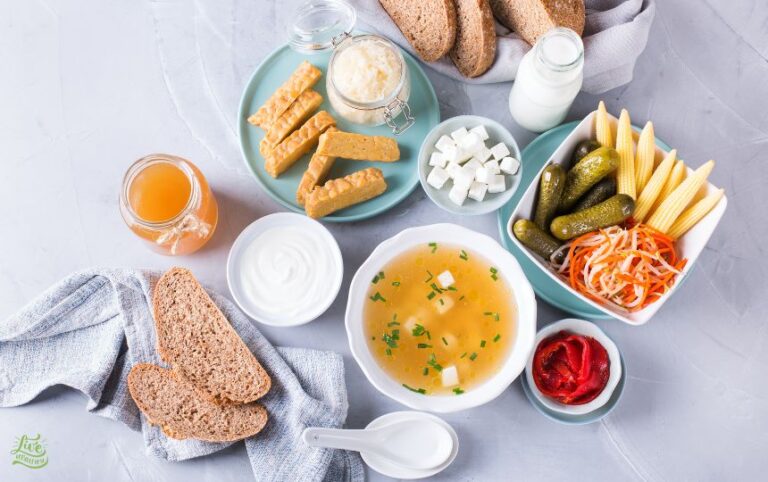
- Probiotics, found in fermented foods like yogurt, kefir, and sauerkraut, promote a healthy gut microbiome. A balanced gut microbiota is linked to reduced inflammation and improved immune function.
- Nuts and Seeds:
- Almonds, walnuts, chia seeds, and flaxseeds are packed with anti-inflammatory nutrients, including omega-3 fatty acids, fiber, and antioxidants. They make for excellent snacks and additions to meals.
Implementing an Anti-Inflammatory Diet:
- Prioritize Whole Foods:
- Focus on whole, unprocessed foods, emphasizing a variety of fruits, vegetables, whole grains, lean proteins, and healthy fats.
- Limit Processed Foods:
- Minimize the intake of processed foods, refined sugars, and unhealthy fats, which can contribute to inflammation.
- Moderate Alcohol Consumption:
- Excessive alcohol intake may contribute to inflammation. Moderate consumption, if at all, is advisable for overall health.
- Stay Hydrated:
- Proper hydration supports overall bodily functions, including the immune system. Water is the best choice for hydration.
Conclusion:
Fighting inflammation with food is a proactive and empowering approach to promoting health and preventing chronic diseases. By incorporating anti-inflammatory foods into a balanced and varied diet, individuals can optimize their well-being and contribute to the long-term management of inflammation-related conditions. As we continue to explore the intricate connections between diet and health, the role of nutrition in modulating inflammation emerges as a key factor in cultivating a vibrant and resilient life.