Berries are more than just a delicious treat; they are powerful allies in enhancing your overall health and boosting your immune system. Packed with antioxidants, vitamins, and minerals, berries provide a natural way to support your body’s defenses. From reducing inflammation to promoting gut health, these vibrant fruits play a crucial role in maintaining your well-being. Learn how berries can help you tackle seasonal allergies, improve skin health, and manage autoimmune conditions effectively.
Antioxidants: Nature’s Defense
The antioxidant properties of berries are essential in strengthening your immune system by neutralizing free radicals that can harm your cells. Berries not only bolster your health but also contribute to stress relief. When life gets overwhelming, the nutrients in berries can help lower stress levels and encourage a sense of calm. The antioxidants present in these fruits combat the physical effects of stress, making them a functional addition to your diet.
Berries are also beneficial for weight management. Low in calories and high in fiber, they help you feel full and satisfied, reducing the chances of overeating. The fiber found in berries aids in digestion, while their antioxidants can enhance metabolism, promoting more effective calorie burning. Including a range of berries in your meals can be a tasty strategy to support your weight loss journey.
Vitamin C: A Vital Nutrient
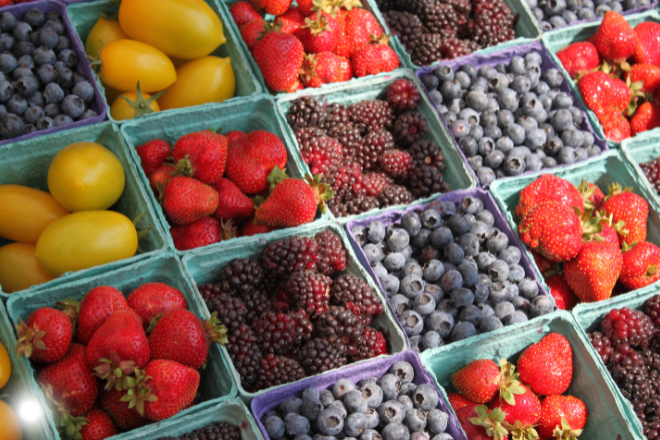
Vitamin C is crucial for immune support, and berries such as strawberries, raspberries, and blackberries are excellent sources. This powerful vitamin is renowned for its antioxidant capabilities, protecting your cells and fortifying your body’s defenses. Regularly consuming berries can provide a natural boost to your immune system.
Beyond its antioxidant properties, vitamin C is vital for stimulating the production of white blood cells, which are essential for fighting infections. By incorporating berries into your daily meals, you ensure your body receives ample vitamin C to maintain optimal immune function. Other sources of vitamin C include citrus fruits, kiwi, and bell peppers.
Essential Minerals for Immune Health
What other vital nutrients can enhance your immune system? Zinc is one such mineral that plays a significant role in immune function. It aids in the development and functioning of immune cells, helping your body effectively combat infections. Consuming zinc-rich foods, including certain berries, can help maintain adequate levels of this essential mineral, promoting a robust immune response.
Selenium is another important mineral for immune support. Acting as an antioxidant, selenium protects cells from damage caused by free radicals and helps regulate immune responses and inflammation. Including berries that contain selenium in your diet can be beneficial for maintaining immune health.
Anti-Inflammatory Properties of Berries
Integrating berries with anti-inflammatory properties into your diet can further bolster your immune system by reducing inflammation and promoting overall health. Berries like blueberries, strawberries, and raspberries contain compounds that help mitigate the body’s inflammatory response. These compounds decrease the production of pro-inflammatory molecules, potentially lowering the risk of chronic inflammation-related diseases.
Moreover, the anti-inflammatory effects of berries can aid in immune modulation, ensuring your immune system functions optimally. Chronic inflammation can disrupt immune balance, increasing vulnerability to infections. By consuming anti-inflammatory berries, you provide your body with the necessary support to maintain a healthy immune response.
Gut Health and Immune Function
For optimal gut health, include a variety of berries in your diet. Blueberries, raspberries, and strawberries are not only tasty but also rich in nutrients that foster digestive health. These fruits are high in fiber, which promotes regular bowel movements and supports a healthy gut microbiome. Additionally, the antioxidants in berries help reduce inflammation in the gut, aiding in the prevention of digestive disorders.

Berries also offer probiotic benefits that enhance gut flora balance. Probiotics are beneficial bacteria that support digestion and bolster the immune system. By incorporating berries into your meals, you introduce these helpful microorganisms into your gut, promoting overall digestive health. Consider adding berries to yogurt, oatmeal, salads, or smoothies to enjoy their gut health benefits.
Berries and Flu Defense
Berries serve as a secret weapon against the flu, not only combating the virus but also enhancing your immunity. Their high levels of antioxidants and vitamins can help keep you healthy during flu season. Incorporate these immune-boosting fruits into your diet to ward off illness and maintain your strength.
Flu-Fighting Properties of Berries
Strengthen your immune system with the flu-fighting properties of various berries. Packed with antioxidants and vitamins, these fruits can aid in flu prevention by bolstering your immunity. The high vitamin C content in strawberries, blueberries, and blackberries helps enhance your body’s defense mechanisms against flu viruses. Flavonoids found in berries also exhibit antiviral effects, further supporting your immune system in combating flu infections. Regularly including a variety of berries in your diet can significantly enhance your overall health and resistance to flu viruses.
Immune System Modulation
To improve your immune system, consider incorporating a variety of berries into your diet. These fruits possess natural properties that help regulate immune responses and promote overall health. Blueberries, strawberries, and blackberries contain flavonoids and antioxidants that play a vital role in supporting immune function.
Immune modulation refers to the ability of certain substances, like those found in berries, to adjust immune responses. Regular consumption of berries helps fine-tune your immune system, ensuring it responds appropriately to threats while avoiding overreactions that may lead to inflammation or autoimmune conditions. Additionally, the gut health benefits of berries contribute to immune modulation by fostering a healthy balance of beneficial gut bacteria, essential for proper immune function.
Berries for Seasonal Allergy Relief
To combat seasonal allergies, incorporate a variety of berries into your diet to utilize their immune-modulating properties. Berries such as blueberries, strawberries, and raspberries are rich in antioxidants and flavonoids that can alleviate symptoms associated with pollen allergies. Their anti-inflammatory properties may provide relief from discomfort caused by seasonal allergies.
Berries are particularly rich in quercetin, a flavonoid known for its potential to reduce histamine release in the body, which can be beneficial for allergy relief. By stabilizing mast cells, quercetin helps prevent allergic reactions to pollen and other allergens. Including a variety of berries in your daily meals can reduce the severity of your allergy symptoms.
Skin Health and Immune Support
Incorporate berries into your daily diet to support both skin and immune health. These fruits are rich in antioxidants, vitamins, and minerals that enhance skin hydration and bolster your immune system. The high vitamin C content in berries promotes collagen production, helping to keep your skin firm and youthful. Additionally, compounds in berries may alleviate skin conditions like eczema or hives caused by allergic reactions.
Berries play a crucial role in maintaining skin moisture levels. Their water content, combined with vitamins and antioxidants, contributes to supple and glowing skin. By including a variety of berries like blueberries, strawberries, and raspberries in your diet, you can protect your skin from environmental stressors and improve its overall health. Enjoy a handful of berries daily to reap their skin-nourishing and immune-boosting benefits.
Berries and Autoimmune Disease Management
Berries can help reduce inflammation in your body, which is beneficial for managing autoimmune diseases. By supporting your immune system, they provide the necessary boost to combat autoimmune conditions. Including a variety of berries in your diet may assist in managing symptoms and improving overall health.
Inflammation Reduction with Berries
Incorporating berries into your diet can help reduce inflammation and alleviate symptoms of autoimmune diseases. Blueberries, strawberries, and raspberries are packed with antioxidants and anti-inflammatory compounds that combat inflammation in the body. These fruits contain flavonoids like quercetin and resveratrol, known for their immune-supporting properties and ability to modulate inflammatory responses. Adding a variety of berries to your meals or snacks can effectively lower inflammation levels, essential for managing autoimmune conditions.
Support Your Immune System with Berries
Understanding how berries support your immune system, especially concerning autoimmune diseases, is vital. Packed with antioxidants and nutrients, berries help regulate immune responses in autoimmune conditions. Including these fruits in your diet can provide anti-inflammatory effects, potentially reducing the severity of autoimmune symptoms. Incorporate berries into immune-boosting snacks or smoothies for a tasty way to support your immune system. The rich content of vitamins, minerals, and antioxidants in berries helps modulate immune responses, promoting overall health and potentially alleviating symptoms associated with autoimmune diseases.