In recent years, the emphasis on gut health has gained momentum within the nutrition and wellness community. The gut, often referred to as the “second brain,” plays a vital role in overall health, influencing everything from digestion and nutrient absorption to mental health and immune function. This article will explore the essentials of gut nutrition, highlighting the key components, their benefits, and practical strategies to nourish your gut for optimal health. By understanding and applying the principles of gut health, you can enhance your digestive system, improve your well-being, and support long-term health.
Understanding Gut Health
The Gut Microbiome
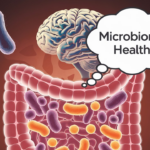
The gut microbiome comprises a complex ecosystem of trillions of microorganisms, including bacteria, viruses, fungi, and other microbes, primarily residing in the large intestine. These microorganisms are crucial for maintaining balance and promoting health. They assist in breaking down food, producing vitamins, regulating the immune system, and protecting against harmful pathogens. The balance and diversity of these microorganisms are essential for optimal gut health.
Functions of the Gut Microbiome
- Digestion: Beneficial bacteria aid in breaking down complex carbohydrates, fibers, and proteins that our enzymes cannot digest. This process produces short-chain fatty acids (SCFAs), vital for colon health.
- Vitamin Production: Certain gut bacteria synthesize essential vitamins, such as vitamin K and some B vitamins, crucial for blood clotting, energy metabolism, and nervous system function.
- Immune Regulation: The gut microbiome helps train and regulate the immune system, enhancing the body’s ability to combat infections and reducing the risk of autoimmune diseases.
- Protection Against Pathogens: A healthy and diverse microbiome competes with harmful pathogens for resources and space, preventing infections and maintaining gut integrity.
Gut-Brain Axis
The gut-brain axis represents a bidirectional communication system between the gut and the brain. This connection illustrates why gut health significantly impacts mental well-being and vice versa. Neurotransmitters like serotonin, produced in the gut, play a crucial role in mood and behavior, underscoring the importance of maintaining a healthy gut for mental health. Emerging research suggests that the gut microbiome influences brain function and can affect conditions such as anxiety, depression, and stress.
Mechanisms of Gut-Brain Communication
- Vagus Nerve: The vagus nerve serves as a primary communication route between the gut and the brain, transmitting signals about the gut’s state directly to the brain.
- Neurotransmitters: Gut bacteria produce neurotransmitters, including serotonin, dopamine, and gamma-aminobutyric acid (GABA), which play essential roles in mood regulation.
- Immune System: The gut microbiome modulates the immune system, influencing inflammation levels throughout the body, including the brain. Chronic inflammation is linked to various neurological and psychiatric disorders.
- Microbial Metabolites: SCFAs and other microbial metabolites can cross the blood-brain barrier, impacting brain function and behavior.
Digestion and Absorption
The digestive process begins in the mouth and continues through the esophagus, stomach, small intestine, and large intestine. Each section plays a vital role in breaking down food, absorbing nutrients, and eliminating waste. Ensuring optimal function at each stage is crucial for overall health.
Stages of Digestion
- Mouth: Chewing breaks down food into smaller pieces, and saliva initiates the chemical digestion of carbohydrates through the enzyme amylase.
- Esophagus: Peristaltic movements push food from the mouth to the stomach.
- Stomach: Gastric juices, including hydrochloric acid and pepsin, break down proteins into smaller peptides.
- Small Intestine: Most nutrient absorption occurs here. Enzymes from the pancreas and bile from the liver further digest food, with nutrients absorbed into the bloodstream.
- Large Intestine: Water and electrolytes are absorbed, and beneficial bacteria further break down remaining food particles, producing SCFAs and vitamins.
Essential Nutrients for Gut Health
Fiber
Fiber is a type of carbohydrate that the body cannot digest. It passes through the digestive system, aiding bowel regularity and nourishing beneficial gut bacteria.

Types of Fiber
- Soluble Fiber: Found in oats, beans, fruits, and vegetables, soluble fiber dissolves in water to form a gel-like substance. It helps lower blood cholesterol and glucose levels by slowing digestion and absorption.
- Insoluble Fiber: Found in whole grains, nuts, and vegetables, insoluble fiber adds bulk to stool and helps food pass more quickly through the stomach and intestines, preventing constipation.
Benefits of Fiber
- Promotes Regular Bowel Movements: Fiber increases stool bulk and helps maintain regular bowel movements, preventing constipation and promoting a healthy digestive tract.
- Feeds Beneficial Gut Bacteria: Fiber serves as a prebiotic, nourishing beneficial bacteria and promoting a diverse and balanced microbiome.
- Reduces Risk of Chronic Diseases: High fiber intake is associated with a reduced risk of cardiovascular disease, type 2 diabetes, and certain cancers, such as colorectal cancer.
Probiotics
Probiotics are live beneficial bacteria that, when consumed in adequate amounts, provide health benefits. They can be found in fermented foods and dietary supplements.
Types of Probiotics
- Lactobacillus: Found in yogurt and fermented foods, this bacteria helps break down lactose and may assist with diarrhea.
- Bifidobacterium: Present in dairy products, this bacteria helps alleviate symptoms of irritable bowel syndrome (IBS) and other conditions.
- Saccharomyces boulardii: A beneficial yeast that can help prevent and treat diarrhea and certain intestinal disorders.
Benefits of Probiotics
- Restore Gut Balance: Probiotics can help replenish beneficial bacteria, especially after antibiotic use, restoring the natural balance of the gut microbiome.
- Support Digestive Health: Probiotics can alleviate symptoms of digestive disorders, such as IBS, diarrhea, and bloating.
- Enhance Immune Function: Probiotics can modulate the immune system, reducing the risk of infections and improving immune response.
Prebiotics
Prebiotics are non-digestible food components that promote the growth of beneficial bacteria in the gut. They are typically high in fiber and found in foods like garlic, onions, bananas, and asparagus.
Sources of Prebiotics
- Fructooligosaccharides (FOS): Found in garlic, onions, leeks, and asparagus.
- Galactooligosaccharides (GOS): Found in legumes and certain root vegetables.
- Inulin: Found in chicory root, Jerusalem artichokes, and bananas.
Benefits of Prebiotics
- Promote Growth of Beneficial Bacteria: Prebiotics serve as food for probiotics, enhancing their growth and activity in the gut.
- Improve Digestion and Absorption: Prebiotics enhance the production of SCFAs, which improve nutrient absorption and colon health.
- Support Immune Function: Prebiotics can enhance immune function by increasing the production of beneficial compounds and reducing inflammation.
Fermented Foods
Fermented foods undergo a process where natural bacteria feed on the sugar and starch in the food, creating lactic acid. This process preserves the food and creates beneficial enzymes, B vitamins, omega-3 fatty acids, and probiotics.
Examples of Fermented Foods
- Yogurt: Contains live cultures that can improve gut health by increasing beneficial bacteria.
- Kefir: A fermented milk drink that contains more probiotics than yogurt and can improve lactose digestion.
- Sauerkraut: Fermented cabbage rich in probiotics and beneficial enzymes.
- Kimchi: A traditional Korean dish of fermented vegetables that provides a variety of beneficial bacteria.
- Miso: A fermented soybean paste used in Japanese cuisine that contains probiotics and beneficial enzymes.
Polyphenols
Polyphenols are compounds found in plants with antioxidant properties. They are present in foods like berries, green tea, dark chocolate, and red wine. Polyphenols support the growth of beneficial gut bacteria and inhibit the growth of harmful bacteria.
Sources of Polyphenols
- Fruits: Berries, apples, grapes, and cherries.
- Vegetables: Broccoli, onions, and spinach.
- Beverages: Green tea, black tea, coffee, and red wine.
- Nuts and Seeds: Almonds, walnuts, and flaxseeds.
- Dark Chocolate: Rich in flavonoids, a type of polyphenol.
Benefits of Polyphenols
- Antioxidant Activity: Polyphenols neutralize free radicals, reducing oxidative stress and inflammation.
- Support Beneficial Gut Bacteria: Polyphenols promote the growth of beneficial bacteria, enhancing gut health.
- Reduce Risk of Chronic Diseases: High polyphenol intake is associated with a lower risk of cardiovascular disease, certain cancers, and neurodegenerative diseases.
Omega-3 Fatty Acids
Omega-3 fatty acids, found in fatty fish, flaxseeds, and chia seeds, possess anti-inflammatory properties that can support gut health by reducing inflammation in the digestive tract.

Sources of Omega-3 Fatty Acids
- Fatty Fish: Salmon, mackerel, sardines, and trout.
- Plant-Based Sources: Flaxseeds, chia seeds, and walnuts.
- Algae Oil: A plant-based source of omega-3s, suitable for vegetarians and vegans.
Benefits of Omega-3 Fatty Acids
- Reduce Inflammation: Omega-3s have potent anti-inflammatory effects, which can help manage inflammatory bowel disease (IBD) and other inflammatory conditions.
- Support Gut Barrier Function: Omega-3s can enhance the integrity of the gut lining, preventing leaky gut syndrome.
- Promote Mental Health: Omega-3s support brain function and can reduce symptoms of depression and anxiety.
Factors Affecting Gut Health
Diet
A diet high in processed foods, sugar, and unhealthy fats can negatively impact gut health by promoting the growth of harmful bacteria and reducing microbial diversity. A balanced diet rich in whole foods, fiber, and probiotics supports a healthy gut microbiome.
Tips for a Gut-Friendly Diet
- Eat Whole Foods: Focus on fruits, vegetables, whole grains, lean proteins, and healthy fats.
- Limit Sugar and Processed Foods: Reduce intake of sugary snacks, sodas, and processed foods high in artificial additives.
- Include Fermented Foods: Incorporate yogurt, kefir, sauerkraut, and other fermented foods into your diet.
- Choose High-Fiber Foods: Include a variety of fiber-rich foods, such as beans, lentils, whole grains, fruits, and vegetables.
Antibiotics
While antibiotics are essential for treating bacterial infections, they can also disrupt the balance of the gut microbiome by eliminating beneficial bacteria. It is vital to use antibiotics only when necessary and to replenish the gut with probiotics and prebiotics afterward.
Minimizing Antibiotic Impact
- Use Antibiotics Judiciously: Only take antibiotics when prescribed by a healthcare professional and follow the prescribed dosage.
- Replenish Probiotics: Consume probiotic-rich foods or supplements during and after antibiotic treatment to restore beneficial bacteria.
- Increase Prebiotic Intake: Prebiotics can help nourish and support the growth of probiotics.
Stress
Chronic stress can adversely affect gut health by altering gut motility and increasing gut permeability, potentially leading to conditions like leaky gut syndrome. Stress management techniques such as meditation, yoga, and exercise can help maintain gut health.
Stress Management Strategies
- Practice Mindfulness: Engage in mindfulness meditation to reduce stress and promote relaxation.
- Exercise Regularly: Physical activity can help reduce stress and improve overall well-being.
- Get Adequate Sleep: Prioritize good sleep hygiene to ensure restorative sleep.
- Connect with Others: Social support and positive relationships can help buffer against stress.
Sleep
Poor sleep quality and irregular sleep patterns can disrupt the gut microbiome. Prioritizing good sleep hygiene, such as maintaining a regular sleep schedule and creating a restful sleep environment, supports gut health.
Tips for Better Sleep
- Establish a Routine: Go to bed and wake up at the same time every day, even on weekends.
- Create a Sleep-Friendly Environment: Keep your bedroom cool, dark, and quiet.
- Limit Screen Time: Avoid screens (TV, computer, phone) at least an hour before bedtime.
- Avoid Stimulants: Reduce caffeine and alcohol intake, especially in the hours leading up to bedtime.
Hydration
Staying well-hydrated is essential for digestive health. Water helps break down food, absorb nutrients, and eliminate waste. Aim to drink at least eight glasses of water a day.
Hydration Tips
- Drink Water Regularly: Carry a water bottle with you and sip throughout the day.
- Include Hydrating Foods: Consume water-rich foods, such as cucumbers, watermelon, and oranges.
- Monitor Hydration: Check the color of your urine; it should be light yellow if you are well-hydrated.
- Limit Dehydrating Beverages: Reduce intake of caffeinated and alcoholic drinks that can dehydrate you.
Common Gut Health Issues and Solutions
Irritable Bowel Syndrome (IBS)
IBS is a common disorder affecting the large intestine, causing symptoms like cramping, abdominal pain, bloating, gas, and diarrhea or constipation.
Solutions for IBS
- Low-FODMAP Diet: This diet eliminates foods that ferment quickly in the gut and cause symptoms, then gradually reintroduces them to identify triggers.
- Probiotics: Certain strains of probiotics can help reduce IBS symptoms by restoring gut balance.
- Fiber Supplements: Soluble fiber supplements, like psyllium, can help manage IBS symptoms.
- Stress Management: Techniques such as mindfulness, yoga, and cognitive-behavioral therapy can alleviate stress-related IBS symptoms.
Inflammatory Bowel Disease (IBD)
IBD, including Crohn’s disease and ulcerative colitis, encompasses a group of inflammatory conditions affecting the colon and small intestine.
Solutions for IBD
- Anti-inflammatory Medications: These medications help reduce inflammation and manage symptoms.
- Low-Residue Diet: A diet low in fiber can reduce the frequency and volume of stools, easing symptoms during flare-ups.
- Omega-3 Supplements: Omega-3 fatty acids can help reduce inflammation in the gut.
- Probiotics: Specific probiotic strains can help maintain remission and support gut health.
Leaky Gut Syndrome
Leaky gut syndrome occurs when the lining of the small intestine becomes damaged, allowing harmful substances to leak into the bloodstream.
Solutions for Leaky Gut
- Whole Foods Diet: Focus on whole, unprocessed foods that support gut health.
- Probiotics and Prebiotics: Support a healthy microbiome to maintain gut integrity.
- Glutamine Supplements: Glutamine is an amino acid that can help repair the gut lining.
- Reduce Stress: Chronic stress can exacerbate leaky gut, so stress management is crucial.
Small Intestinal Bacterial Overgrowth (SIBO)
SIBO occurs when there is an abnormal increase in the number of bacteria in the small intestine, causing symptoms like bloating, diarrhea, and malnutrition.
Solutions for SIBO
- Antibiotics: Targeted antibiotics can reduce bacterial overgrowth.
- Low-FODMAP Diet: Reducing fermentable carbohydrates can help manage symptoms.
- Probiotics: Specific probiotics can help restore balance in the small intestine.
- Nutritional Support: Addressing nutrient deficiencies caused by malabsorption is essential.
Practical Tips for Maintaining Gut Health
Eat a Diverse Diet
Consuming a variety of foods ensures a diverse microbiome, which is crucial for gut health. Include fruits, vegetables, whole grains, legumes, nuts, seeds, and fermented foods in your diet.
Incorporate Fermented Foods
Adding fermented foods like yogurt, kefir, sauerkraut, and kimchi to your diet introduces beneficial bacteria to your gut, enhancing microbial diversity and balance.
Increase Fiber Intake
Aim to consume 25-30 grams of fiber per day from various sources, including fruits, vegetables, whole grains, and legumes. Fiber supports regular bowel movements and nourishes beneficial gut bacteria.
Stay Hydrated
Drink plenty of water throughout the day to support digestion and nutrient absorption. Hydration is crucial for maintaining the mucosal lining of the intestines and facilitating the movement of food through the digestive tract.
Limit Processed Foods and Sugar
Reduce your intake of processed foods and added sugars, which can promote the growth of harmful bacteria in the gut. Focus on whole, nutrient-dense foods to support a healthy microbiome.
Manage Stress
Incorporate stress management techniques like meditation, yoga, deep breathing, and regular exercise into your routine. Reducing stress can positively impact gut health by promoting balanced gut motility and reducing inflammation.
Get Enough Sleep
Aim for 7-9 hours of quality sleep per night to support overall health and gut function. Establishing a regular sleep routine and creating a restful sleep environment are essential for maintaining gut health.
Consider Probiotic Supplements
If you have difficulty obtaining sufficient probiotics from food, consider taking a probiotic supplement. Consult with a healthcare professional to find the right one for you, as different strains of probiotics offer various health benefits.
Monitor Gut Health
Pay attention to your body’s signals and track changes in digestion, bowel movements, and overall well-being. Early detection of gut health issues can lead to more effective interventions and management.