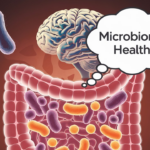
The relationship between gut health and hormonal balance plays a vital role in overall well-being. These two systems are not only essential for individual health but also deeply interconnected, influencing one another in significant ways. As research advances, it becomes increasingly clear that a holistic approach to health must consider the synergy between the gut microbiome and hormonal regulation. This article explores the intricate dynamics of gut health and hormonal balance, providing insights into how to foster a foundation for optimal wellness.
Exploring the Gut Microbiome
The gut microbiome is a complex ecosystem containing trillions of microorganisms, including bacteria, fungi, viruses, and archaea. This vibrant community is essential for various bodily functions and profoundly impacts human health.
Functions of the Gut Microbiome
- Digestive Health: Gut bacteria play a crucial role in breaking down indigestible fibers and complex carbohydrates, producing short-chain fatty acids (SCFAs) that support gut lining health and immune function.
- Immune System Support: The gut microbiome educates the immune system, maintaining a balance between tolerance and defense. An imbalance, known as dysbiosis, can lead to immune-related diseases.
- Metabolic Regulation: Gut bacteria influence metabolic health by affecting energy extraction and lipid metabolism. Dysbiosis is linked to conditions like obesity and type 2 diabetes.
- Mental Health Influence: Gut bacteria contribute to mental well-being by producing neurotransmitters such as serotonin and GABA, which help regulate mood and emotional health.
Understanding Hormonal Balance
Hormones are chemical messengers that regulate numerous physiological processes, including metabolism, reproductive health, and stress response. The balance of these hormones is crucial for maintaining overall health.
Key Hormones and Their Roles
- Estrogen: This hormone is vital for reproductive health, bone density, and cardiovascular function.
- Testosterone: While often associated with male health, testosterone also affects women’s health by influencing libido, muscle mass, and cognitive abilities.
- Insulin: Insulin regulates glucose metabolism, ensuring that cells efficiently uptake glucose and preventing high blood sugar levels.
- Cortisol: Known as the “stress hormone,” cortisol helps mobilize energy reserves and modulate immune responses during stress.
The Interconnection Between Gut Health and Hormonal Balance
The gut microbiome and hormonal regulation are interconnected, influencing each other’s functions and overall health. Understanding this relationship can provide valuable insights into disease prevention and wellness.

Mechanisms of Interaction
- Hormone Metabolism by Microbiome: Gut bacteria can metabolize hormones, affecting their levels and activity in the body.
- Gut Barrier Integrity: A compromised gut barrier, often referred to as “leaky gut,” can lead to the release of toxins and inflammatory substances, causing hormonal imbalances.
- Gut-Brain Axis Communication: The gut microbiome interacts with the central nervous system, influencing hormone secretion and overall health. Stress can also alter gut microbiome composition, creating a feedback loop of influence.

Health Implications of Gut and Hormonal Imbalance
The interplay between gut health and hormonal balance significantly affects various health conditions, influencing susceptibility to diseases and overall resilience.
Health Conditions Linked to Gut and Hormonal Imbalance
- Gastrointestinal Disorders: An imbalance in gut bacteria can lead to conditions such as irritable bowel syndrome (IBS) and inflammatory bowel disease (IBD).
- Metabolic Disorders: Dysbiosis contributes to metabolic syndrome, impacting weight management and overall metabolic health.
- Mental Health Issues: The connection between gut health and mental well-being is evident, with dysbiosis linked to anxiety and depression.
- Reproductive Health Problems: Hormonal imbalances can affect fertility and reproductive health in both men and women.
Strategies for Optimizing Gut Health and Hormonal Balance
By understanding the relationship between gut health and hormonal balance, individuals can take proactive steps to enhance their overall well-being.
Practical Tips for Improvement
- Balanced Diet: Focus on a diet rich in fiber, prebiotics, and fermented foods to support gut health. Whole, unprocessed foods should be prioritized.
- Probiotic Use: Consider incorporating specific probiotic strains that promote gut integrity and hormonal balance based on personal health needs.
- Stress Management: Engage in relaxation techniques like yoga, meditation, and deep breathing to help regulate cortisol levels and support gut health.
- Quality Sleep: Ensure you get enough restful sleep to support hormonal regulation and overall health.
- Regular Physical Activity: Incorporate exercise into your routine to promote gut motility and metabolic health.
- Avoid Endocrine Disruptors: Limit exposure to chemicals found in plastics and personal care products that can disrupt hormonal balance.

The relationship between gut health and hormonal balance is a crucial aspect of overall wellness. By recognizing their interconnectedness and adopting a holistic approach to health, individuals can foster resilience and vitality throughout their lives. Prioritizing gut health and hormonal balance can lead to transformative improvements in well-being, paving the way for a healthier future.