The modern wellness industry has become expensive.
Everywhere you look, there are:
- luxury recovery centers
- high-end wellness gadgets
- premium biohacking devices
- expensive memberships
- and complicated health routines
For many people, wellness now feels overwhelming and financially unrealistic.
Yet one of the biggest shifts happening right now is a return to foundational health habits that support the body naturally.
More people are realizing that long-term wellness often depends less on extreme optimization and more on:
- consistency
- recovery
- stress regulation
- movement
- sleep
- and resilience
That is one reason cold therapy has become one of the fastest-growing wellness trends.
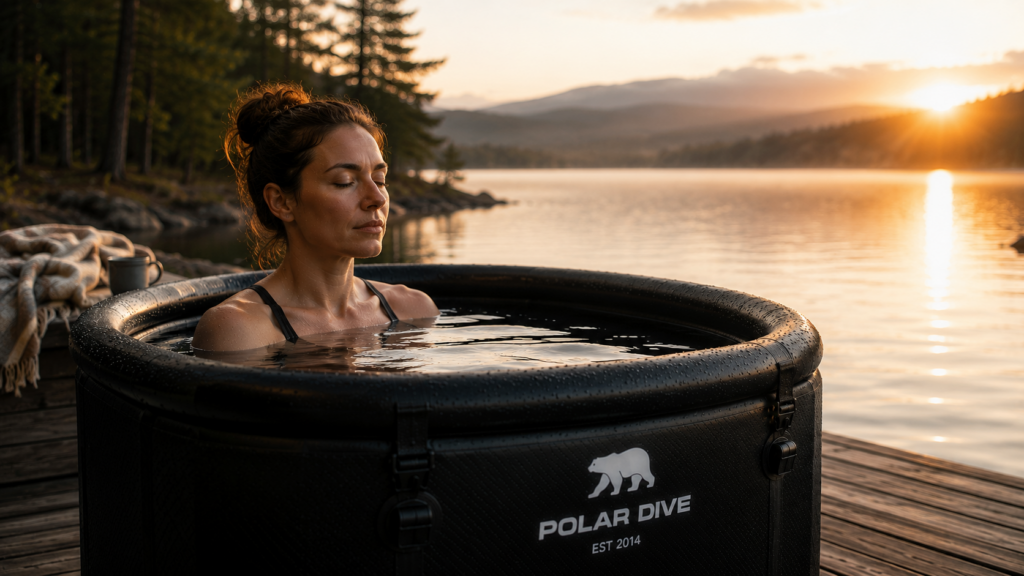
Cold plunges are no longer limited to elite athletes and expensive wellness centers.
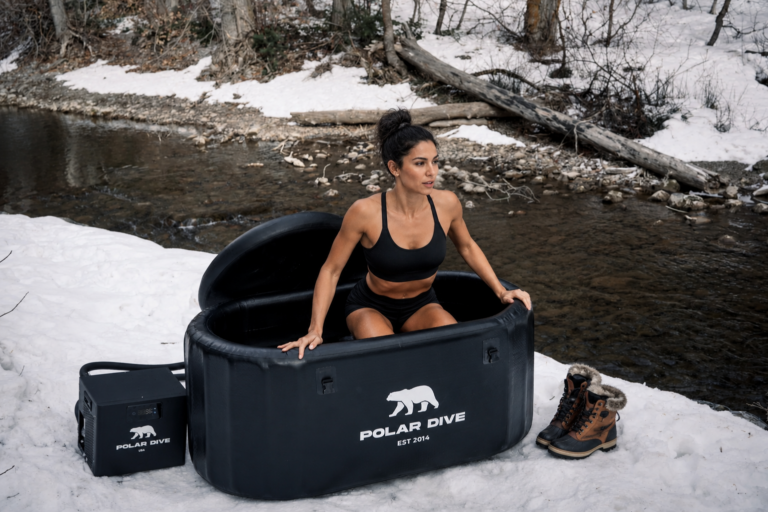
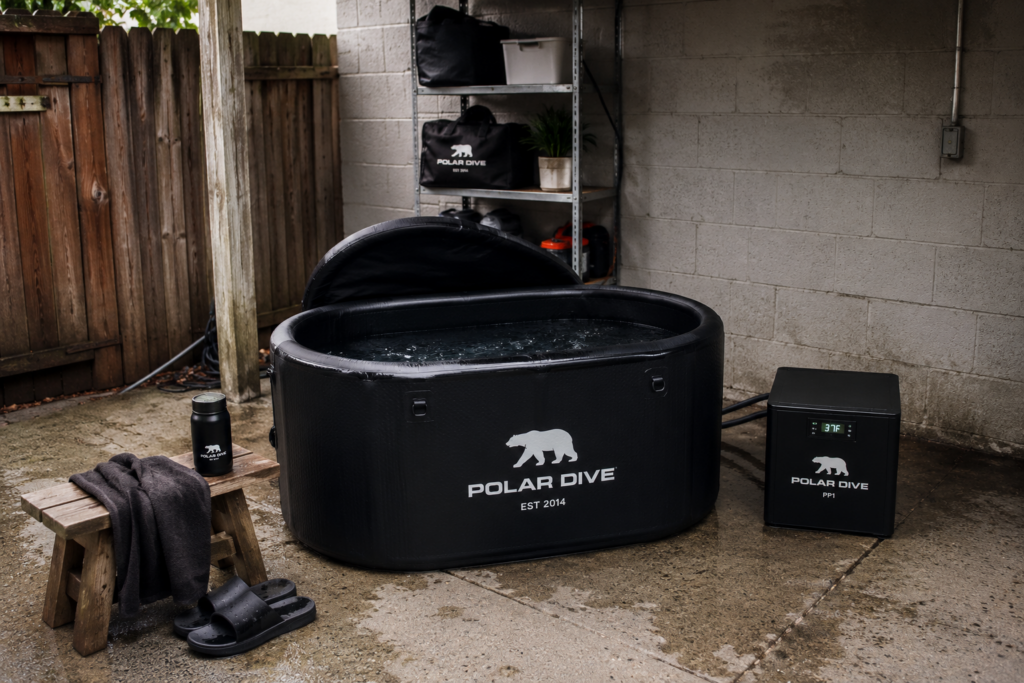
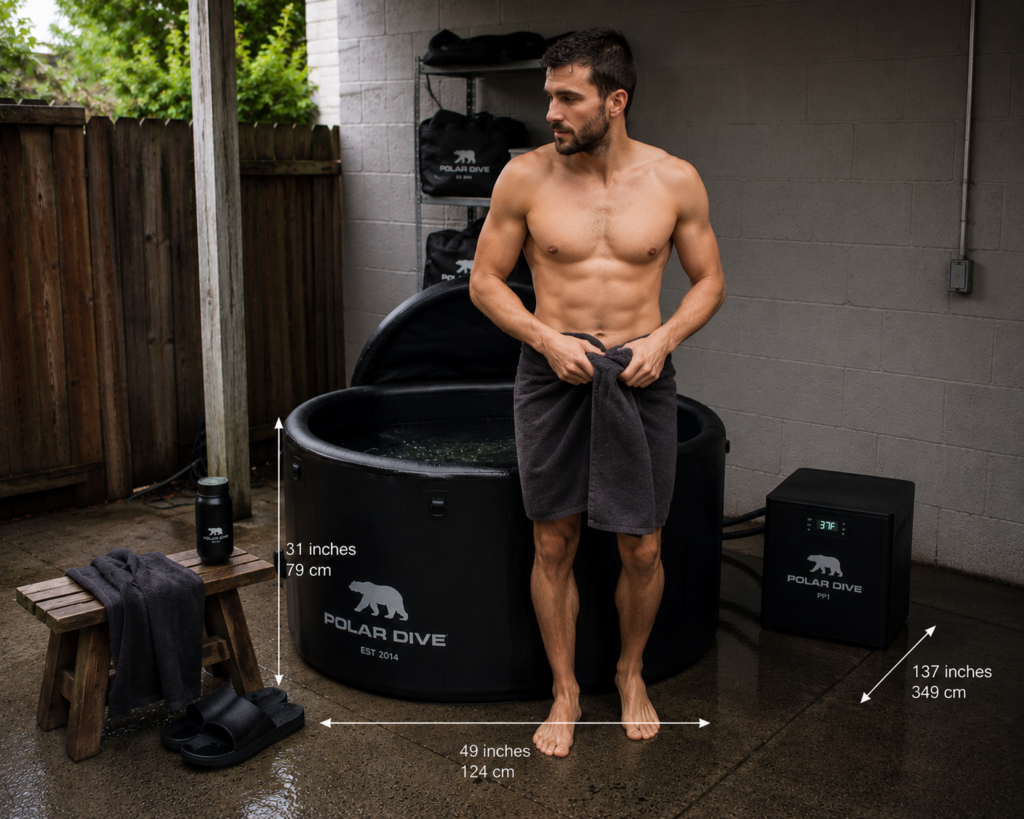
Affordable systems like Polar Dive are helping everyday people build recovery and resilience routines directly at home, and many users report benefits related to:
- recovery
- circulation
- energy
- stress management
- and overall physical resilience
Quick Snapshot: Simple Habits That Actually Build Resilience
| Habit Type | How It Supports Resilience |
| Sleep | Deep recovery and immune/nervous reset |
| Movement | Circulation, strength, metabolic health |
| Recovery practices | Repair, regulation, stress downshifting |
| Stress regulation | Keeps body from living in survival mode |
| Cold exposure | Controlled stress + adaptation over time |
Cold plunges belong in this list not as a gimmick, but as one more simple, repeatable habit that trains adaptation.
Why Modern Life Drains the Body
The human body was designed to adapt to challenges.
But modern lifestyles often create the wrong kind of stress while removing healthy forms of adaptation.
Today, many people live with:
- chronic stress
- poor sleep
- physical inactivity
- excessive screen exposure
- mental overload
- and nonstop stimulation
At the same time, they spend very little time:
- moving naturally
- recovering properly
- managing stress effectively
- or exposing the body to healthy environmental challenges
Over time, this mix may contribute to:
- fatigue
- low energy
- nervous system overload
- poor recovery
- inflammation
- and reduced resilience
This is why more people are shifting to recovery-based wellness instead of simply chasing another quick boost.
What Resilience Really Means
Resilience is not only mental—it is also physical.
Resilience is your body’s ability to:
- adapt
- recover
- regulate stress
- and maintain balance under pressure
Your system constantly responds to:
- environmental stress
- emotional stress
- physical demand
- sleep quality
- recovery habits
- and nervous system regulation
Without recovery, resilience eventually declines.
That is why wellness experts now emphasize habits that support:
- recovery capacity
- stress adaptation
- circulation
- and nervous system balance
Cold therapy is part of that conversation because it introduces a controlled challenge that encourages adaptation over time.
Why Controlled Stress Can Be Beneficial
Modern culture often treats all stress as harmful.
The reality: the body needs certain forms of controlled stress to stay strong and adaptable.
Exercise is the classic example.
When you train:
- muscles experience stress
- the body adapts
- and strength improves through recovery
Cold exposure works in a similar way.
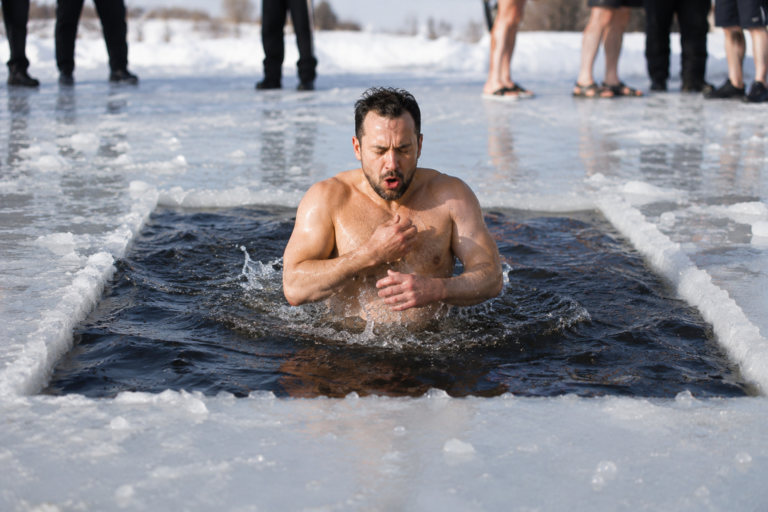
Researchers often refer to this as hormesis—small, manageable stressors that encourage positive adaptation over time.
When you enter cold water:
- circulation changes
- breathing shifts
- stress hormones rise
- and the nervous system activates quickly
With consistent practice, many people adapt to this experience and feel more resilient afterward.
Why Cold Plunges Feel So Energizing
Another reason cold therapy is growing so quickly is how people feel right after a plunge.
Users commonly report:
- increased alertness
- mental clarity
- a sense of physical refreshment
- calmer, steadier energy
- and improved focus
Part of this may involve norepinephrine.
Cold exposure can significantly increase norepinephrine levels for a period of time, and norepinephrine is associated with:
- alertness
- attention
- focus
- and stress response
Unlike heavy stimulants that often cause jitters or crashes, many users describe cold-plunge energy as:
- clean
- grounded
- and sustainable
Why Recovery Is Becoming a Major Wellness Priority
For years, wellness culture glorified:
- pushing harder
- overworking
- sleeping less
- and staying constantly productive
Now, more people are realizing the body cannot perform well without recovery.
Recovery supports:
- nervous system regulation
- stress management
- sleep quality
- circulation
- inflammation balance
- and overall resilience
Without it, the body struggles to maintain long-term wellness.
That is why more people are building routines around:
- sleep
- hydration
- movement
- stress reduction
- and recovery practices
Cold therapy fits naturally into this recovery-centered approach—especially when it is simple and affordable enough to use regularly.
Why Polar Dive Is Getting Attention
For many people, the main barrier to cold therapy has always been cost.
Traditional cold plunge systems often cost:
- $5,000
- $10,000
- or more
That made consistent cold therapy unrealistic for most households.
Polar Dive helped change that by focusing on:
- affordability
- practical performance
- compact design
- and simplicity
The system:
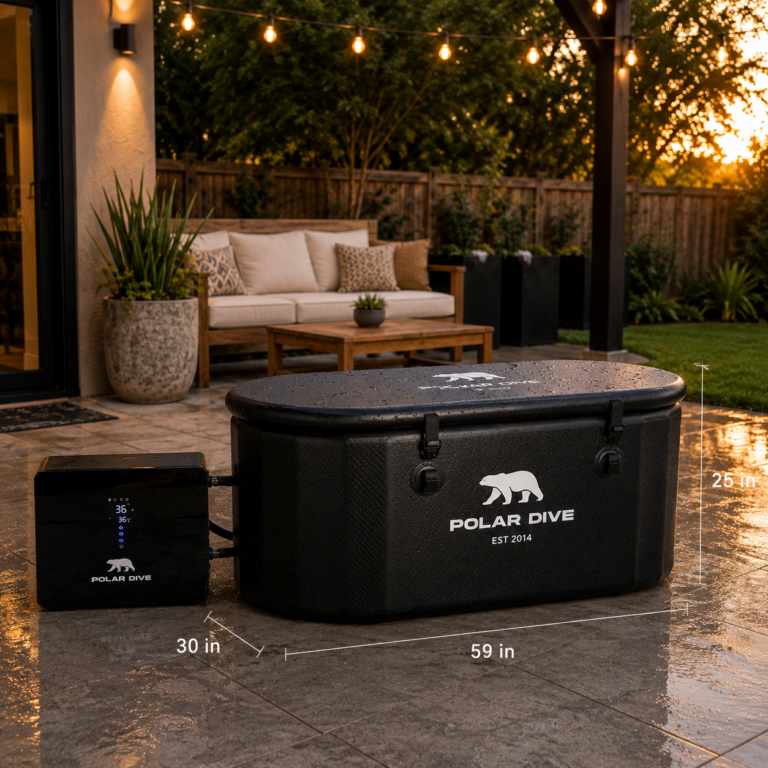
- cools water down to about 39°F
- works indoors or outdoors
- remains energy efficient
- and fits naturally into home wellness spaces
That makes cold therapy realistic for:
- garages
- patios
- home gyms
- and backyard recovery setups
Many users also appreciate eliminating the need to constantly buy bags of ice.
Check Polar Dive availability and current offers
One of the biggest misconceptions is that wellness must become complicated.
In reality, many of the most effective habits are foundational:
- sleep
- movement
- hydration
- recovery
- stress management
- and nervous system balance
The key is not perfection, it is consistency.
Cold therapy works best when it becomes:
- simple
- repeatable
- and easy to integrate into daily or weekly life
This is where affordability really matters.
People are far more likely to maintain a habit when:
- the setup is already at home
- the cost is reasonable
- and the routine feels sustainable
Wellness Is About Building Capacity
Long-term wellness is not just about avoiding illness.
It is about building physical and mental capacity over time.
Your body constantly adapts to:
- stress
- recovery
- movement
- sleep
- and environmental exposure
Cold therapy is becoming more popular because many people feel it helps support:
- resilience
- recovery
- stress adaptation
- circulation
- and overall well-being
That is why cold plunges are showing up inside broader wellness routines focused on sustainable health and longevity, not just short-term hacks.
Who Polar Dive Is Best For
Polar Dive may be especially useful for:
- wellness enthusiasts
- busy professionals
- recovery-focused individuals
- home gym owners
- and people interested in resilience-based wellness routines
It is particularly appealing for those focused on:
- recovery
- circulation
- stress management
- and long-term wellness habits
Are Cold Plunges Safe?
Cold plunges are generally well tolerated by healthy individuals when practiced responsibly.
However, individuals with:
- cardiovascular conditions
- uncontrolled hypertension
- serious circulation disorders
- or other medical concerns
should consult a healthcare professional before starting cold exposure.
Beginners should:
- start gradually
- avoid excessively long sessions
- be cautious with very low temperatures at first
- and prioritize slow, controlled breathing
Frequently Asked Questions
Why are cold plunges becoming so popular?
Many people use cold therapy to support recovery, resilience, stress adaptation, circulation, and simple wellness routines that feel doable at home.
What is hormesis?
Hormesis refers to controlled stressors—like exercise or brief cold exposure—that encourage positive adaptation over time when followed by recovery.
Why do people feel energized after cold plunges?
Cold exposure activates the nervous system and may temporarily increase norepinephrine levels, which can contribute to a feeling of clear, grounded energy.
Are expensive cold plunges necessary?
Not for most people. The essentials are consistent cold temperatures, reliable cooling, and a setup you will actually use consistently—luxury features are optional.
Is Polar Dive beginner friendly?
Yes. Polar Dive is designed to make cold therapy affordable and practical for everyday users, with compact, energy-efficient systems suited to typical home spaces.
Key Thoughts
Modern wellness does not have to revolve around:
- expensive gadgets
- luxury routines
- or endless optimization
Many of the most effective health habits are surprisingly simple:
- recovery
- movement
- sleep
- stress regulation
- and resilience-building practices
Cold therapy fits that philosophy because it encourages the body to adapt and recover more effectively over time.
With affordable systems like Polar Dive, more people can now build recovery-focused, resilience-first wellness routines directly from home—without needing a luxury budget.
Ready to build more recovery and resilience into your daily routine—without spending thousands?