There are certain times of year when people feel completely overwhelmed.
Work pressure spikes.
Schedules become chaotic.
Sleep gets cut short.
Stress climbs.
Energy crashes.

For many people, these “high-stress seasons” eventually impact:
- recovery
- sleep quality
- focus
- mood
- resilience
- and overall wellness
That is why more people are turning toward recovery-focused habits instead of just relying on:
- more caffeine
- more stimulants
- more sugar
- and more overworking
Cold therapy has become one of the fastest-growing habits during stressful periods because many people report it helps them feel:
- calmer
- mentally clearer
- more resilient
- and physically refreshed
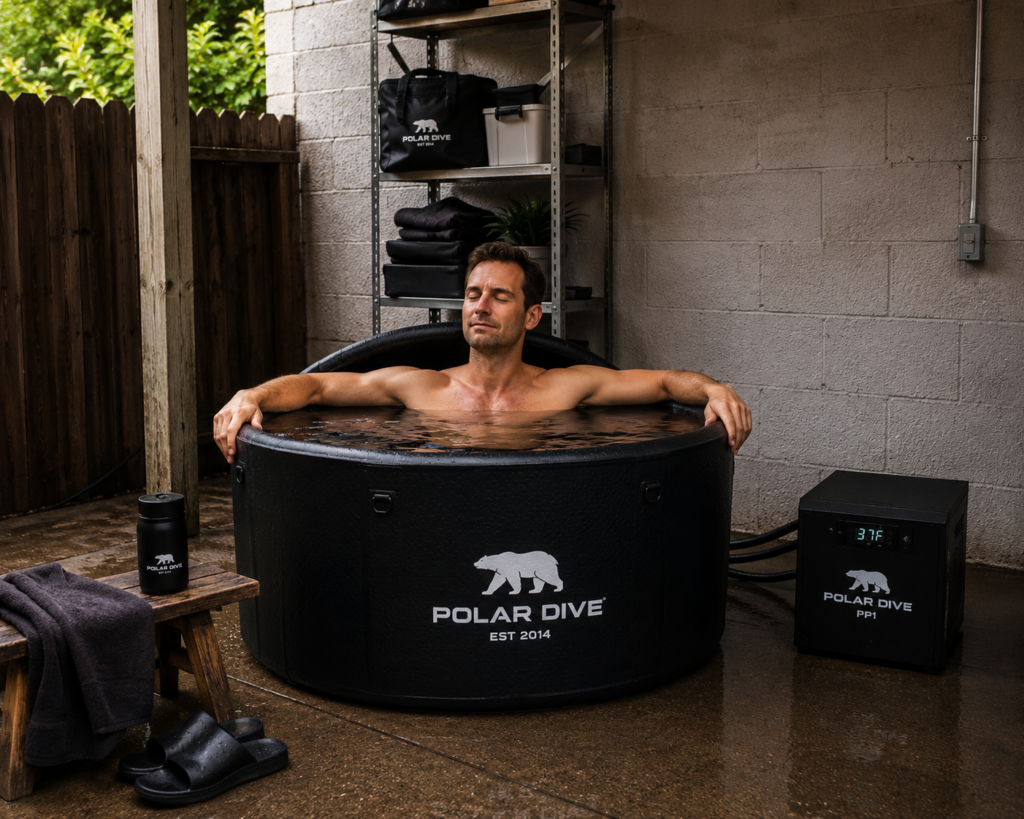
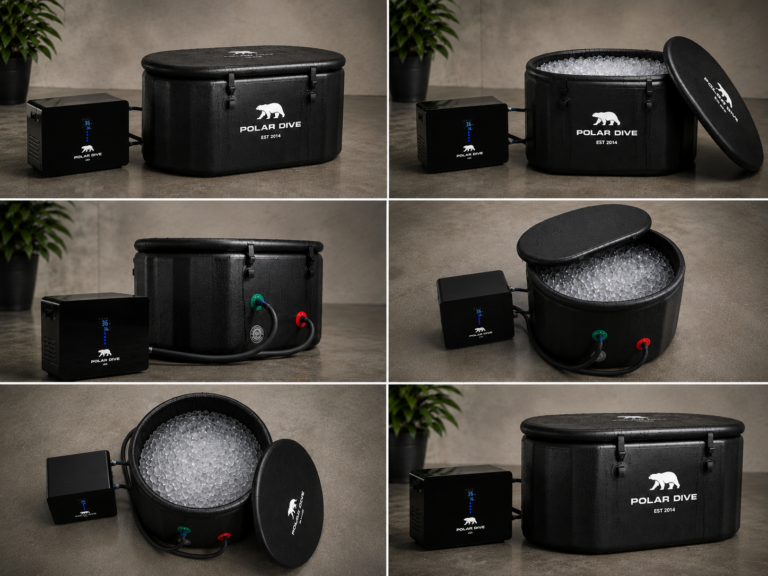
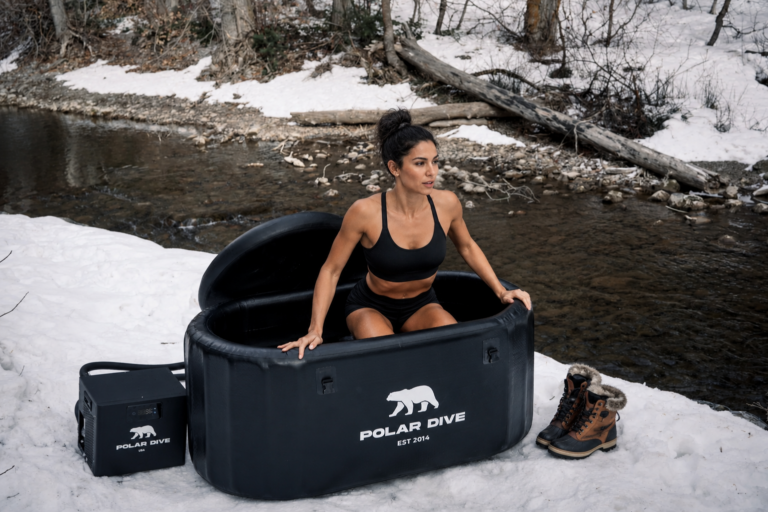
Unlike luxury wellness trends that feel out of reach, affordable systems like Polar Dive are making cold therapy practical for normal households focused on long-term wellness.
Quick Snapshot: High-Stress Seasons and Your Body
| High-Stress Effect | Common Result in the Body |
| Less sleep | More fatigue, higher stress hormones |
| More stimulation | Nervous system overload, wired-but-tired |
| Less recovery | Poor resilience, higher inflammation |
| Emotional strain | Mood swings, tension, mental exhaustion |
| Irregular routines | Worse food choices, disrupted digestion |
When this stack builds up, people often feel like they never fully recover, even on “rest days.”
Why Stress Affects the Entire Body
Stress is not only an emotion—it is a full-body physiological response.
When stress increases:
- cortisol rises
- adrenaline increases
- sleep quality often declines
- recovery becomes harder
- and nervous system tension builds
Short-term stress is not necessarily harmful.
The body is designed to handle temporary challenges.
The real problem is chronic stress without recovery.
Modern lifestyles keep many people in a near-constant state of:
- overstimulation
- pressure
- information overload
- and nervous system activation
Over time, this may contribute to:
- fatigue
- poor sleep
- inflammation
- brain fog
- low energy
- emotional exhaustion
- and reduced resilience
That is why stress management has become such a critical part of holistic wellness.
Why Recovery Matters During Stressful Seasons
One of the biggest mistakes people make during stressful periods is cutting recovery even further.
People often:
- sleep less
- consume more stimulants
- stop moving their bodies
- ignore stress signals
- and push harder physically and mentally
Eventually, the body starts showing signs of overload.
Recovery is not weakness.
Recovery is how the body repairs and regulates itself.
Without enough recovery, the body struggles to maintain:
- nervous system balance
- sleep quality
- emotional regulation
- circulation
- and overall resilience
That is why recovery-focused wellness has grown so quickly.
More people are prioritizing:
- sleep
- hydration
- stress reduction
- regular movement
- nervous system regulation
- and restorative habits
Cold therapy has become part of that broader shift.
Why Cold Exposure Feels Mentally Resetting
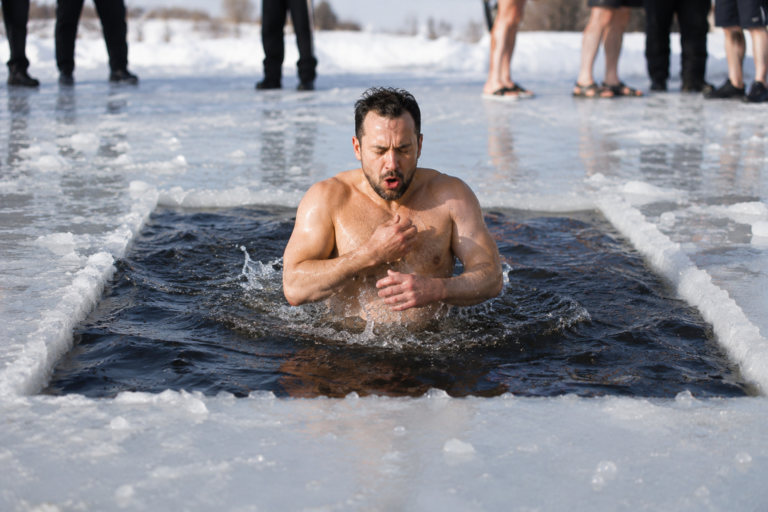
Cold plunges have become especially popular during stressful seasons because of how strongly they activate and then reset the nervous system.
When you enter cold water:
- breathing changes
- circulation shifts
- stress hormones increase
- and the body becomes highly alert
At first, the experience feels intense.
With consistent practice, many people learn to:
- regulate their breathing
- remain calm in discomfort
- control stress responses
- and tolerate challenge more skillfully
Many users describe cold plunges afterward as:
- mentally grounding
- emotionally calming
- and surprisingly refreshing
This helps explain why cold therapy has become popular among:
- entrepreneurs
- executives
- athletes
- wellness enthusiasts
- and people navigating high-pressure lifestyles
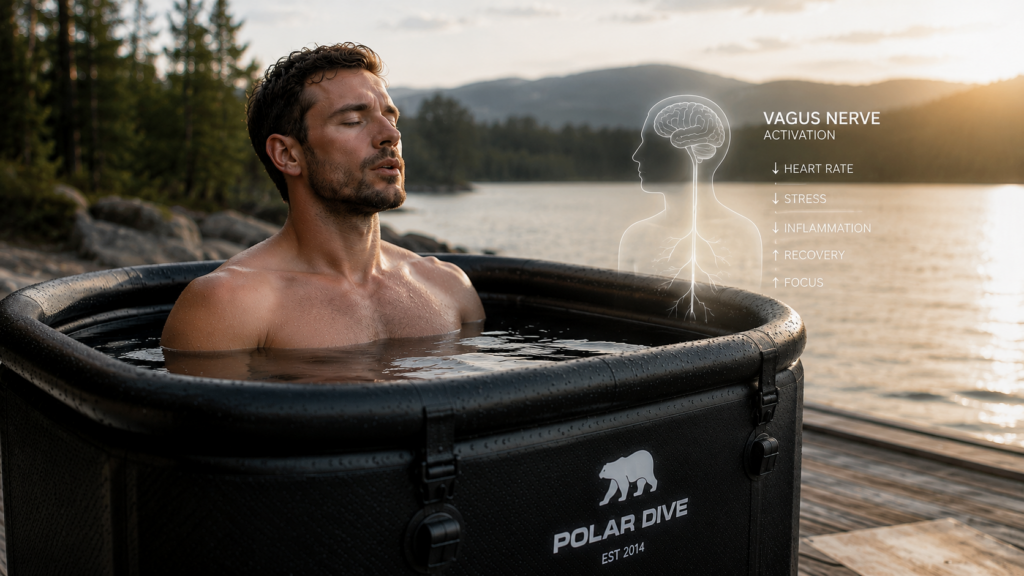
Feeling Like Each High-Stress Season Hits You Harder Than the Last?
If busy seasons keep leaving you drained, adding one powerful recovery habit can help you handle stress differently.
- Cold plunges give you a short, intense reset you control
- Many people feel calmer and clearer afterward
- An at-home setup makes it easy to build a consistent “reset ritual” into your week
Explore Polar Dive cold plunge systems for stress-season recovery and resilience:
Discover Polar Dive for high-stress seasons and recovery »
The Link Between Stress and Sleep
Sleep is one of the body’s most important recovery systems.
Unfortunately, stress often disrupts sleep directly.
During high-stress seasons, many people experience:
- racing thoughts
- shallow, restless sleep
- difficulty falling asleep
- or waking up exhausted despite being in bed for hours
Poor sleep can then increase:
- inflammation
- nervous system tension
- emotional instability
- and overall fatigue
This creates a vicious cycle:
- stress reduces sleep quality
- poor sleep harms recovery
- reduced recovery raises stress even more
Over time, resilience drops.
Many people who explore cold therapy report improvements in:
- relaxation
- recovery
- perceived sleep quality
- and stress management
Cold plunges are not a cure-all, but for many users they become a cornerstone ritual within broader wellness routines.
Why Resilience Matters More Than Constant Comfort
Modern culture often encourages constant comfort:
- climate-controlled rooms
- endless streaming and scrolling
- quick convenience for almost everything
Yet at the same time, many people feel:
- mentally overwhelmed
- emotionally exhausted
- and physically flat
Cold exposure introduces a controlled challenge.
This concept is often called hormesis—small, manageable stressors that encourage the body to adapt positively over time.
Exercise works the same way.
The goal is not suffering.
The goal is adaptation.
Many people feel cold therapy helps reinforce:
- mental resilience
- emotional regulation
- discipline
- and stress tolerance
That mental component is a big reason cold plunges resonate so strongly with people looking for more balance and strength during stressful seasons.
Why Cold Therapy Is Becoming More Mainstream
Not long ago, cold plunges were mostly associated with:
- elite athletes
- high-end wellness centers
- and extreme biohackers
Now, cold therapy is becoming far more mainstream because people are seeking:
- affordable recovery tools
- natural wellness practices
- and sustainable resilience habits
For many households, the main barrier used to be cost.
Traditional systems often cost:
- $5,000
- $10,000
- or more
Polar Dive helped change that.
Instead of focusing on luxury pricing, Polar Dive emphasizes:
- affordability
- simplicity
- practical functionality
- and effective cooling
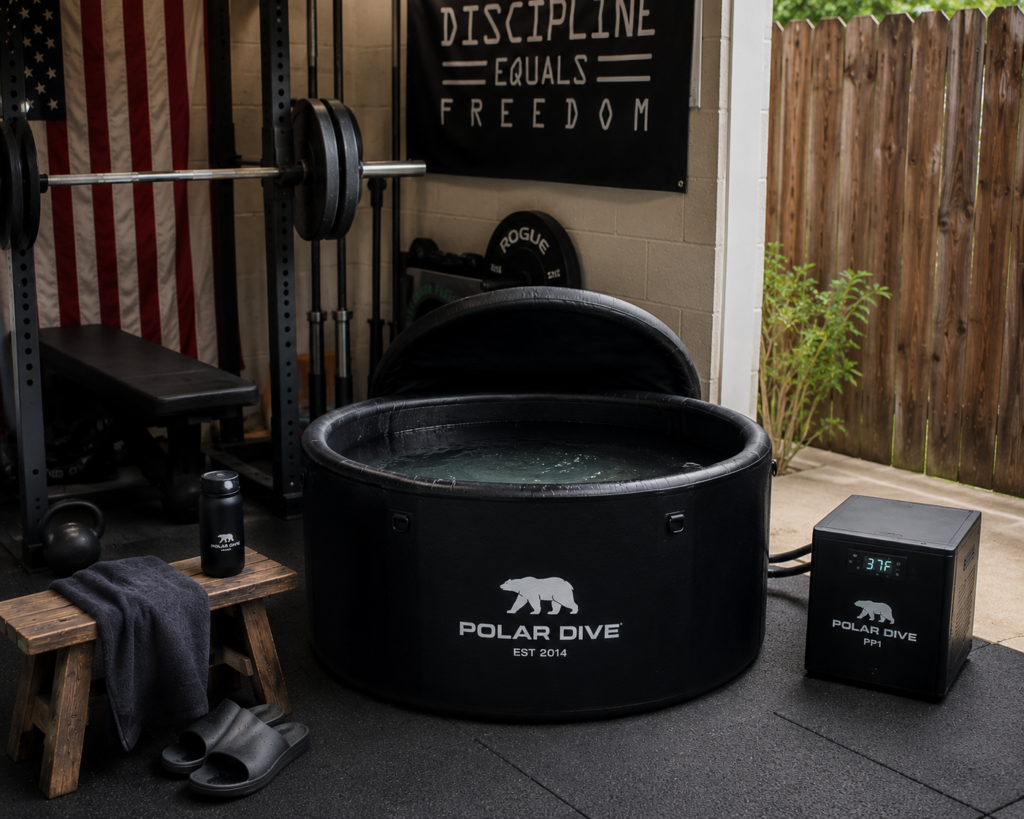
The system:
- cools water down to about 39°F
- works indoors or outdoors
- remains compact
- and is energy efficient
That makes cold therapy realistic for:
- home wellness setups
- garages
- patios
- and home gym recovery spaces
Many users also appreciate getting rid of the constant need to buy bags of ice.
Wellness Is About Building Resilience
One of the healthiest shifts happening today is the move away from burnout culture and constant overstimulation.
People are realizing that long-term wellness depends on:
- recovery
- nervous system balance
- stress adaptation
- movement
- sleep
- and resilience
Cold therapy fits naturally into that philosophy because it challenges the body in controlled ways while encouraging adaptation and recovery.
That is why more people are adding cold plunges into their routines during stressful seasons instead of relying only on stimulants and “push-through-it” productivity.
Who Polar Dive Is Best For
Polar Dive may be especially useful for:
- wellness enthusiasts
- busy professionals
- recovery-focused individuals
- entrepreneurs
- home gym owners
- and people navigating high-stress lifestyles
It is particularly appealing for those focused on:
- resilience
- recovery
- stress management
- and sustainable wellness habits
Suggested “Check Availability” button:
“Check Polar Dive availability and see current offers »” (affiliate link).
Are Cold Plunges Safe?
Cold plunges are generally well tolerated by healthy individuals when practiced responsibly.
However, people with:
- cardiovascular conditions
- uncontrolled hypertension
- serious circulation disorders
- or significant medical concerns
should consult a healthcare professional before beginning cold exposure.
Beginners should:
- start gradually
- avoid excessively long sessions
- be careful with very low temperatures at first
- and focus on slow, controlled breathing during each plunge
Frequently Asked Questions
Why do people use cold plunges during stressful periods?
Many users report feeling calmer, more resilient, and mentally refreshed after cold exposure, which can help them handle high-stress seasons more effectively.
Can stress affect recovery?
Yes. Chronic stress may influence sleep, inflammation, nervous system balance, and overall resilience, making it harder for the body to fully recover.
What is hormesis?
Hormesis refers to controlled stressors that encourage positive adaptation over time—such as exercise or brief cold exposure followed by recovery.
Can cold plunges help with sleep?
Some users report improved relaxation, better wind-down, and more restorative sleep as part of a consistent cold therapy and recovery routine.
Is Polar Dive beginner friendly?
Yes. Polar Dive is designed to make cold therapy practical and affordable for everyday users, with compact, energy-efficient systems suited to normal home spaces.
Important Thoughts
Stressful seasons place enormous pressure on the body and nervous system.
Without recovery, many people eventually experience:
- fatigue
- burnout
- poor sleep
- inflammation
- and reduced resilience
That is why more people are prioritizing:
- recovery
- stress management
- nervous system balance
- and sustainable wellness habits
Cold therapy is becoming part of that movement because many people find it supports:
- resilience
- recovery
- emotional regulation
- and overall well-being
With affordable systems like Polar Dive, cold therapy is now accessible for more people wanting healthier, more resilient routines during high-stress seasons.
Ready to build more recovery and resilience into your routine?
See how an at-home cold plunge can support you in your busiest seasons:
Check out Polar Dive cold plunge systems