Most people only think about their health when something starts breaking down.
They notice:
- low energy
- slow recovery
- constant fatigue
- feeling run down
- trouble bouncing back physically
But long-term wellness is not built overnight.
It is built through resilience.
Your body is constantly adapting to:
- stress
- sleep quality
- movement
- nutrition
- recovery
- environmental exposure
- and nervous system balance
One of the biggest shifts in wellness right now is a move away from “quick fixes” and toward supporting the body’s ability to recover and adapt over time.
That is one reason cold therapy has become so popular.
People are not just using cold plunges because they are trendy.
They are using them because many report improvements in:
- recovery
- circulation
- mental clarity
- stress resilience
- and overall physical wellness
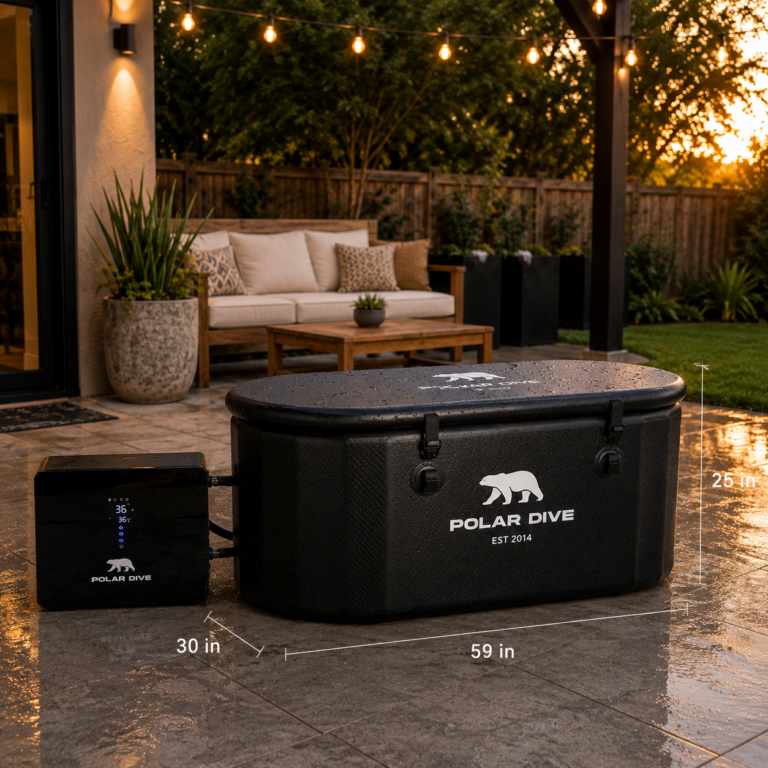
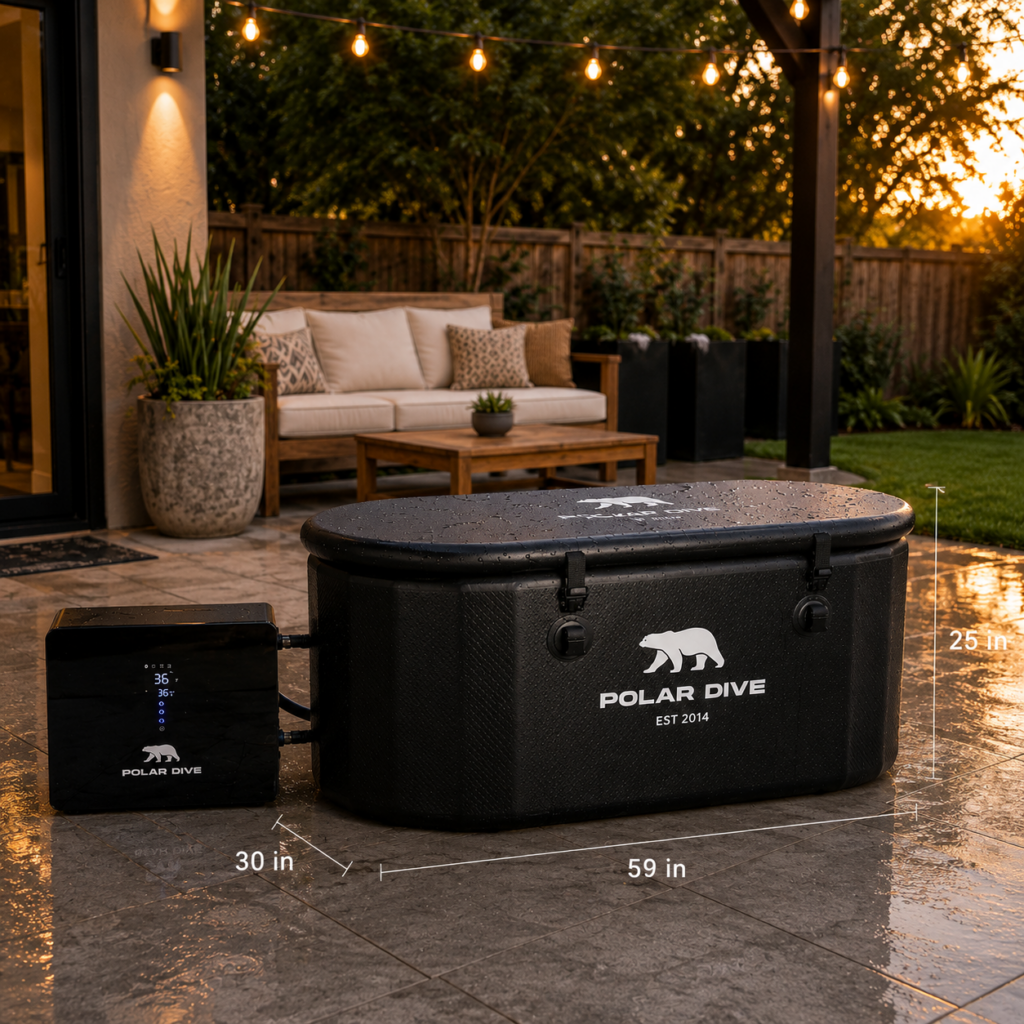
And unlike expensive luxury recovery systems, affordable options like Polar Dive make cold therapy realistic for normal households focused on long-term health.
Suggested hero image:
Polar Dive tub next to a rack of simple home gym equipment—visual “recovery corner.”
Quick Snapshot: Why Circulation and Recovery Matter
| System / Factor | Why It Matters for Resilience |
| Circulation | Delivers oxygen/nutrients, supports recovery |
| Recovery | Allows repair, regulation, and adaptation |
| Stress load | Influences hormones, sleep, and inflammation |
| Sleep quality | Deep recovery, immune and nervous system reset |
| Nervous system | Controls stress response and physical readiness |
When these work well together, you are more likely to bounce back faster from daily stress and physical demands.
Why Circulation Matters More Than Most People Realize
Circulation touches nearly every system in the body.
Healthy circulation helps support:
- oxygen delivery
- nutrient transport
- recovery processes
- temperature regulation
- and physical performance
When circulation becomes sluggish, many people notice:
- fatigue
- slower recovery
- low energy
- ongoing muscle soreness
- cold hands and feet
- or a general feeling of physical heaviness
Movement is one of the best ways to support circulation naturally.
Recovery practices can also play a role—which is why athletes and active people have used forms of cold exposure for decades.
What Happens to Circulation During Cold Exposure?
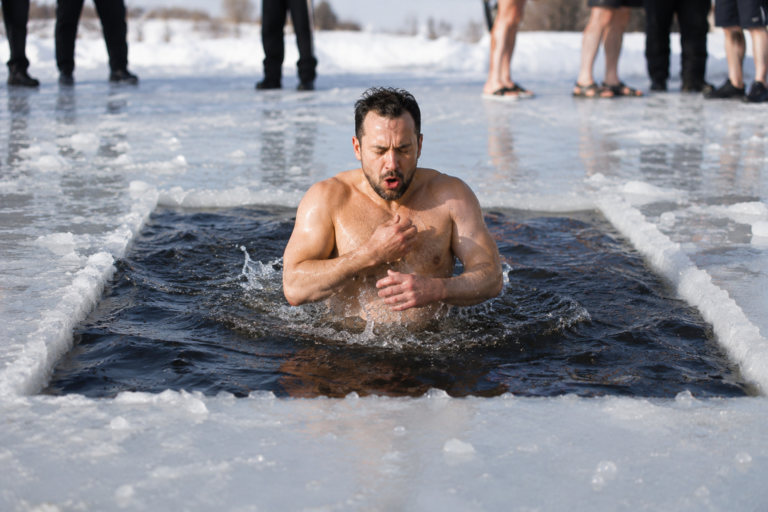
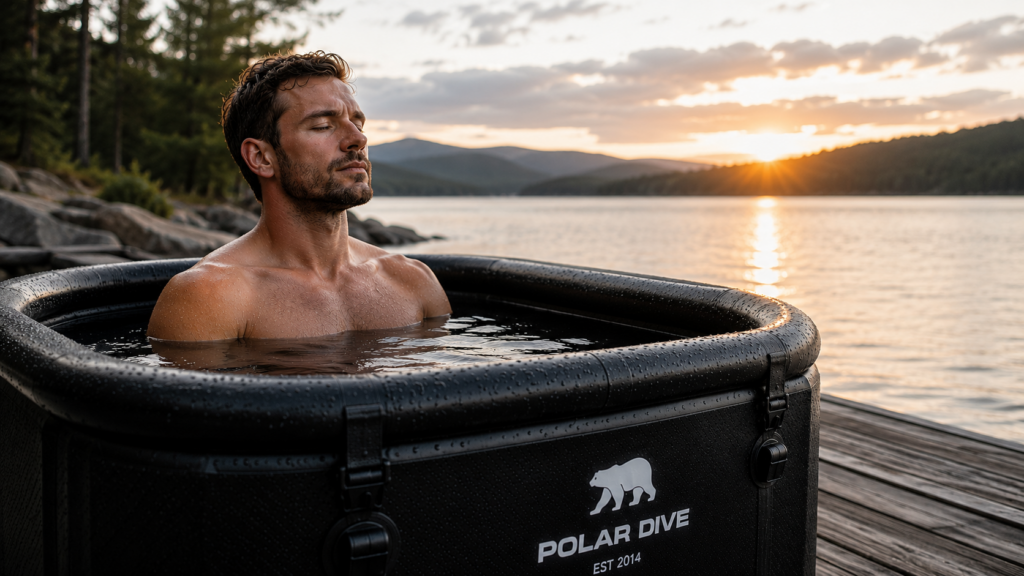
When the body enters cold water, blood vessels near the skin constrict—a process called vasoconstriction.
In that moment, the body:
- redirects blood flow toward the core
- works to preserve heat
- and maintains internal stability
After you leave the cold and begin to warm back up, circulation shifts again as vessels dilate and blood redistributes.
This dynamic response is one reason many people feel:
- refreshed
- energized
- and physically “woken up”
after cold exposure.
Cold therapy creates a strong circulatory and nervous system response that many describe as highly invigorating.
See How Polar Dive Fits Into a Circulation-Focused Recovery Routine
Why Recovery Is Becoming a Major Wellness Priority
Modern culture has largely normalized exhaustion.
Many people:
- push through fatigue
- ignore recovery cues
- sleep poorly
- rely on endless stimulants
- and live under constant stress
Eventually, the body starts to show signs of overload.
Recovery is not just for athletes.
Recovery matters for:
- nervous system balance
- sleep quality
- physical resilience
- inflammation management
- and overall wellness capacity
Without enough recovery, the body struggles to regulate stress over time.
This is why recovery-focused wellness has become such a powerful trend.
More people are starting to prioritize:
- sleep
- hydration
- nervous system support
- regular movement
- stress reduction
- and restorative practices
Cold therapy fits naturally into this recovery-centered lifestyle.
The Link Between Stress and Physical Resilience
Stress does not just affect the mind—it impacts the entire body.
When stress becomes chronic:
- cortisol can remain elevated
- sleep quality often declines
- inflammation may increase
- and recovery gets harder
The body can handle short bursts of stress.
The problem is nonstop stress without recovery.
This is where controlled stressors like cold exposure become interesting.
Cold plunges create a temporary stress response that encourages the body to adapt.
Researchers often describe this process as hormesis—small, controlled stressors that may help strengthen the body’s adaptive capacity over time.
Exercise works the same way:
- stress → adaptation → recovery → increased capacity
The goal is not punishment.
The goal is adaptive stress followed by recovery.
Why Many People Feel More Resilient After Cold Plunges
Cold therapy’s rise in popularity has a lot to do with how people feel after they get out.
Users often describe feeling:
- mentally sharper
- physically refreshed
- calmer
- more energized
- and more resilient
This may involve a mix of:
- nervous system activation
- circulation changes
- stress adaptation
- and temporary norepinephrine release
There is also a powerful psychological component.
Cold exposure teaches you how to stay calm while uncomfortable.
Over time, that skill often carries into:
- training
- work
- difficult conversations
- and everyday stress
Many users say cold therapy reinforces:
- discipline
- mental toughness
- emotional control
- and stress tolerance
Want Your Body to Bounce Back Faster Instead of Just Feeling Worn Down?
If you are training hard, working long hours, or just feeling physically sluggish, adding one focused recovery tool can make a noticeable difference.
- Cold plunges create a strong circulatory and nervous system reset
- Many people feel more awake, clear, and physically refreshed afterward
- An at-home system turns recovery into a repeatable habit, not a rare treat
Explore Polar Dive cold plunge systems for circulation and recovery support:
Discover Polar Dive for building physical resilience at home
Why Polar Dive Is Making Cold Therapy More Accessible
For years, cold plunges were mostly limited to:
- luxury wellness centers
- elite athletes
- and expensive biohacking setups
Many systems cost:
- $5,000
- $10,000
- or more
That price made consistent cold therapy unrealistic for most households.
Polar Dive changed that by focusing on:
- affordability
- simplicity
- practical design
- and reliable performance
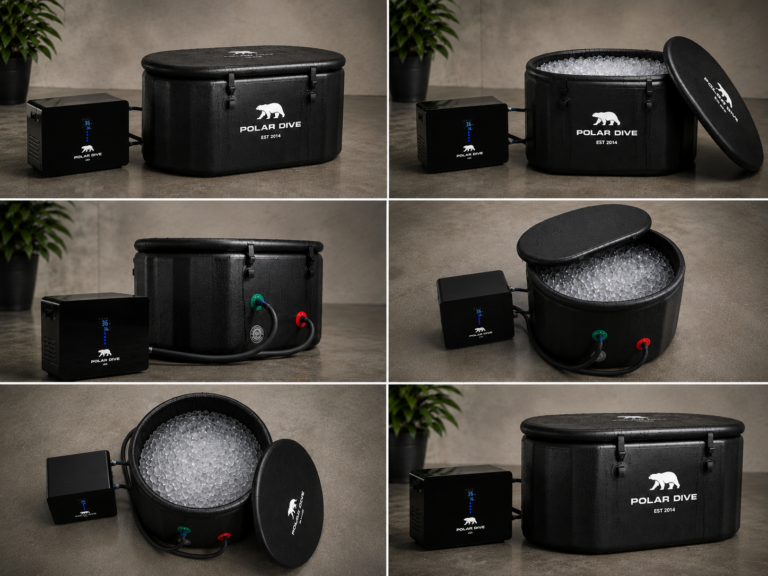
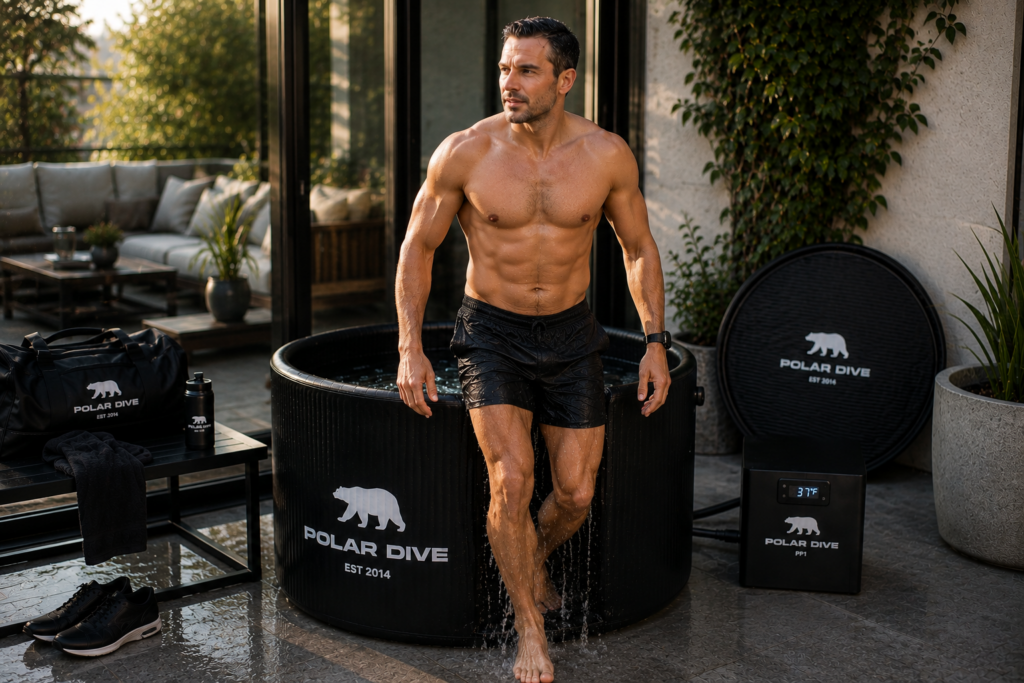
The system:
- cools water down to about 39°F
- works indoors or outdoors
- remains compact
- and is energy efficient
That makes cold therapy much more practical for:
- garages
- patios
- home gyms
- and home recovery setups
Many users also appreciate eliminating the constant need to buy bags of ice.
Check Polar Dive availability and current offers
Why Wellness Is Really About Adaptation
A healthy change in modern wellness is a move away from constant overstimulation and toward adaptation.
Long-term wellness depends on:
- resilience
- recovery
- stress regulation
- movement
- sleep
- and sustainable habits
The body becomes stronger through adaptation, not endless comfort.
Cold therapy fits that philosophy because it:
- introduces a controlled physical challenge
- encourages the body to adapt
- and emphasizes proper recovery afterward
That is why cold plunges are becoming part of daily routines for people focused on:
- longevity
- resilience
- recovery
- and overall physical well-being
Who Polar Dive Is Best For
Polar Dive may be especially useful for:
- athletes and active individuals
- wellness enthusiasts
- recovery-focused people
- entrepreneurs and busy professionals
- home gym owners
- and anyone interested in resilience-based wellness
It is particularly appealing if you care about:
- recovery
- circulation
- stress management
- and long-term wellness habits
Are Cold Plunges Safe?
Cold plunges are generally well tolerated by healthy individuals when practiced responsibly.
However, people with:
- cardiovascular conditions
- uncontrolled hypertension
- serious circulation disorders
- or significant medical concerns
should consult a healthcare professional before beginning cold exposure.
For beginners, it is important to:
- start gradually
- avoid excessively long sessions
- be mindful with very low temperatures at first
- and focus on calm, controlled breathing rather than forcing it
Frequently Asked Questions
Are cold plunges good for circulation?
Cold exposure causes significant circulatory responses—first constriction, then re-expansion during rewarming—which many people experience as invigorating and refreshing.
Why do athletes use cold plunges?
Many athletes use cold therapy to support recovery, soreness management, and overall physical resilience as part of broader training and recovery programs.
What is hormesis?
Hormesis refers to controlled stressors that encourage positive adaptation over time, such as exercise or brief cold exposure followed by recovery.
Why do cold plunges increase alertness?
Cold exposure activates the nervous system and may temporarily increase norepinephrine levels, which can contribute to a feeling of heightened alertness and clear, calm energy.
Is Polar Dive beginner friendly?
Yes. Polar Dive is designed to make cold therapy affordable and practical for everyday users, with compact, energy-efficient systems that work in typical home spaces.
Final Thoughts
Long-term wellness is not just about avoiding illness.
It is about building resilience.
Your body constantly adapts to:
- stress
- recovery
- movement
- sleep
- and environmental challenges
Cold therapy is becoming more popular because many people feel it helps support:
- recovery
- circulation
- resilience
- mental clarity
- and overall wellness capacity
With affordable systems like Polar Dive, cold therapy is now accessible for far more people who want to build stronger recovery and resilience habits at home.
Ready to build more recovery and resilience into your wellness routine?
See how an at-home cold plunge can become the centerpiece of your recovery space:
Check out Polar Dive cold plunge systems