When most people think about immune support, they think bottles, powders, and pills.
They search for:
- vitamins
- minerals
- herbs
- immune blends
- probiotics
- and “immune boosting” products
Nutrition absolutely matters.
But there is another crucial piece many people miss:
Recovery.
The immune system does not operate in isolation.
Your immune resilience is closely connected to:
- sleep quality
- stress levels
- inflammation
- nervous system balance
- daily recovery habits
- circulation
- and overall wellness
More health-conscious individuals are shifting away from a supplements-only mindset and toward a broader, lifestyle-based approach.
They are realizing that long-term wellness requires supporting the body as a complete system.
That is one reason cold therapy has become increasingly popular among people focused on:
- recovery
- resilience
- stress management
- inflammation support
- and overall wellness optimization
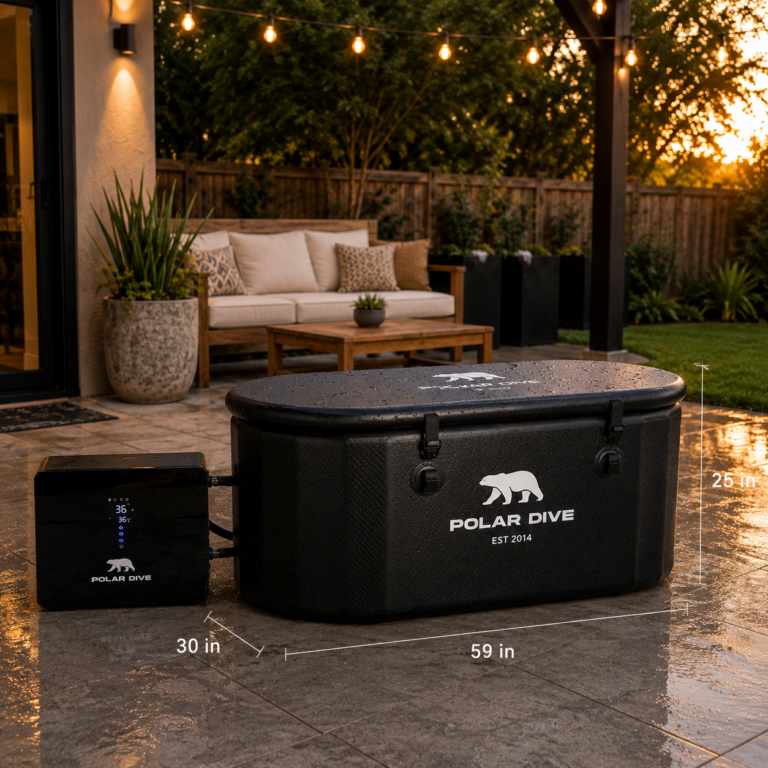
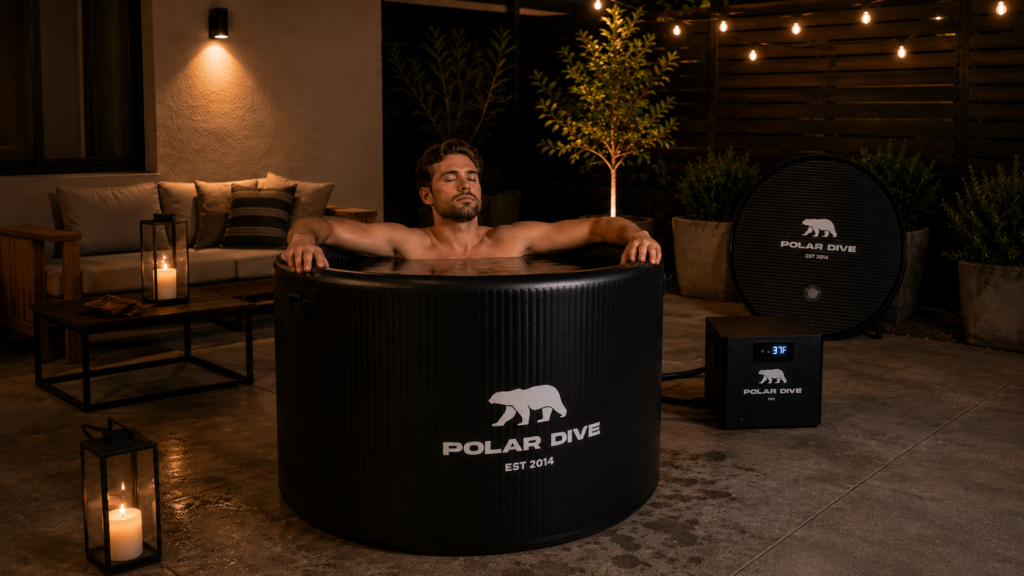
With affordable systems like Polar Dive, cold plunges are now within reach for everyday households—not just elite athletes and biohackers.
Quick Snapshot: Everyday Habits That Influence Immune Resilience
| Lifestyle Factor | Potential Role in Immune Resilience |
| Sleep quality | Supports repair, regulation, and recovery |
| Stress levels | Chronic stress can impact immune signaling |
| Inflammation balance | Ongoing inflammation may strain the system |
| Nervous system | Regulates stress, recovery, and energy balance |
| Recovery habits | Help the body reset after daily stressors |
Supplements can help, but without sleep, recovery, and stress balance, the immune system is often working uphill.
The Immune System Is Deeply Connected to Lifestyle
The immune system is always listening to what is happening throughout the body.
It is influenced by:
- stress
- sleep
- movement
- recovery
- nervous system regulation
- and inflammation levels
Modern lifestyles often work against immune resilience.
Many people are:
- chronically stressed
- sleep deprived
- mostly sedentary
- overstimulated
- and mentally exhausted
Over time, the body may struggle to regulate itself under constant pressure.
That does not necessarily mean you get sick immediately.
But it can contribute to:
- fatigue
- poor recovery
- chronic inflammation
- low energy
- nervous system overload
- and reduced overall resilience
This is why more wellness experts now focus on recovery as a foundation of long-term immune health.
Why Stress Affects the Entire Body
Stress is not just a feeling—it is a physiological event.
When the nervous system perceives stress:
- cortisol rises
- adrenaline increases
- heart rate changes
- circulation shifts
- and inflammatory signaling may increase
Short-term stress is normal and even beneficial.
The real problem is chronic, unrelenting stress.
Today, many people live under constant stimulation from:
- work pressure
- financial stress
- social media
- nonstop notifications
- poor sleep
- and information overload
The body was not designed to stay in survival mode all the time.
Over the long term, chronic stress may influence:
- recovery
- inflammation
- sleep quality
- nervous system balance
- energy levels
- and overall wellness
That is why stress management and nervous system support have become central themes in modern immune health discussions.
Why Recovery Matters More Than Most People Realize
One of the biggest myths in wellness culture is that recovery is optional.
Modern culture often glorifies:
- overworking
- overtraining
- sleeping less
- pushing harder
- and nonstop productivity
But the body does most of its repair and regulation during recovery.
Without it, the body may struggle to maintain:
- nervous system balance
- hormone regulation
- deep, restorative sleep
- inflammation control
- and overall resilience
This is why recovery-focused wellness is one of the fastest-growing movements in health.
More people are beginning to prioritize:
- sleep
- nervous system support
- stress reduction
- recovery routines
- and sustainable daily habits
Cold therapy has become part of that broader shift.
How Cold Exposure May Support Resilience
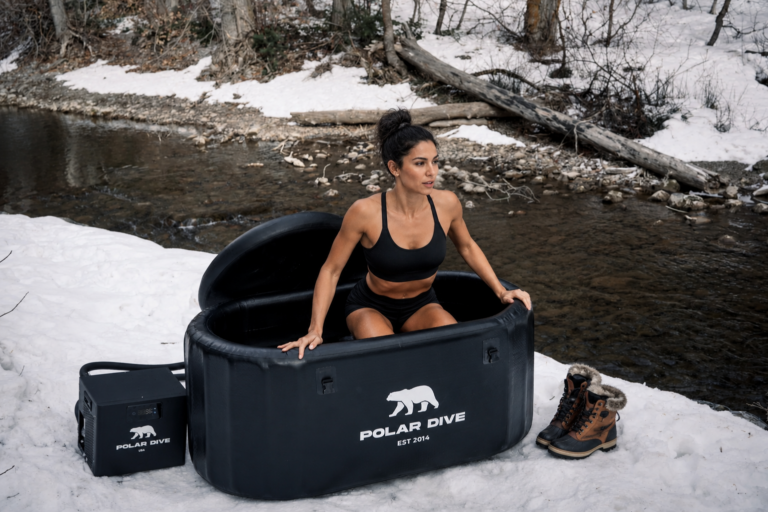
Cold plunges create a temporary but powerful stress response.
When you enter cold water:
- breathing changes
- circulation shifts
- stress hormones rise
- and the nervous system activates quickly
At first, this feels uncomfortable because the body perceives cold as stress.
Over time, many people learn how to:
- regulate their breathing
- remain calm under pressure
- and adapt more effectively to discomfort
This adaptation process is an example of hormesis—a controlled stressor that encourages the body to adapt positively over time.
Exercise works the same way.
The goal is not to overwhelm the body.
The goal is manageable stress followed by recovery and adaptation.
Research on cold exposure suggests cold therapy may help support:
- circulation
- stress resilience
- recovery
- alertness
- and certain inflammatory responses
Many users also report:
- improved energy
- better recovery
- clearer thinking
- and stronger wellness routines overall
See How Polar Dive Supports Resilience and Recovery
Relying on Supplements but Still Feel Run Down?
If your cabinet is full but your energy and resilience still feel low, focusing on recovery can give your immune system the foundation it needs.
- Cold plunges provide a short, powerful reset for your nervous system
- Many people feel calmer and more energized afterward
- An at-home system makes resilience training part of your weekly routine
Explore Polar Dive cold plunge systems for recovery and immune resilience support:
Discover Polar Dive as part of your immune resilience routine »
The Link Between Sleep and Immune Wellness
Sleep is one of the body’s most important recovery systems.
Poor sleep can contribute to:
- increased stress hormones
- nervous system imbalance
- higher inflammatory load
- poor recovery
- and reduced resilience
Modern lifestyles often push against healthy sleep:
- late-night screens
- ongoing stress
- work bleeding into evenings
- constant mental activity
This creates a cycle where:
- stress disrupts sleep
- poor sleep harms recovery
- and poor recovery increases stress
That loop can gradually impact overall immune wellness.
Many people exploring cold therapy report improvements in:
- recovery
- sleep quality
- and stress management
Cold plunges are not magic solutions, but for many wellness-focused individuals they become a helpful recovery lever within a larger healthy lifestyle.
Why Cold Therapy Is Becoming Mainstream
Not long ago, cold plunges were considered extreme or niche.
Today, they are becoming increasingly mainstream because people are looking for:
- natural wellness strategies
- practical recovery tools
- resilience practices
- and sustainable health habits
For many, the biggest barrier has been cost.
Traditional cold plunge systems often cost:
- $5,000
- $10,000
- or more
That made cold therapy unrealistic for most households.
Polar Dive helped change that.
Instead of focusing on luxury pricing, Polar Dive emphasizes:
- affordability
- simplicity
- practical performance
- and accessibility
The system:
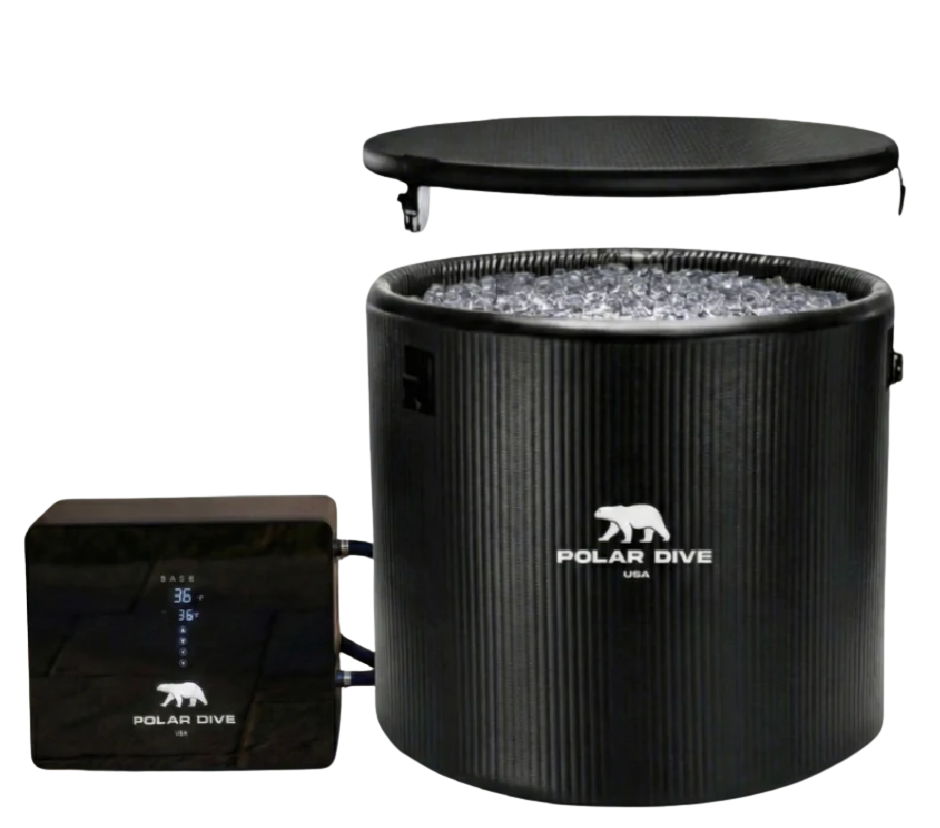
- cools water down to about 39°F
- works indoors or outdoors
- remains compact
- and is energy efficient
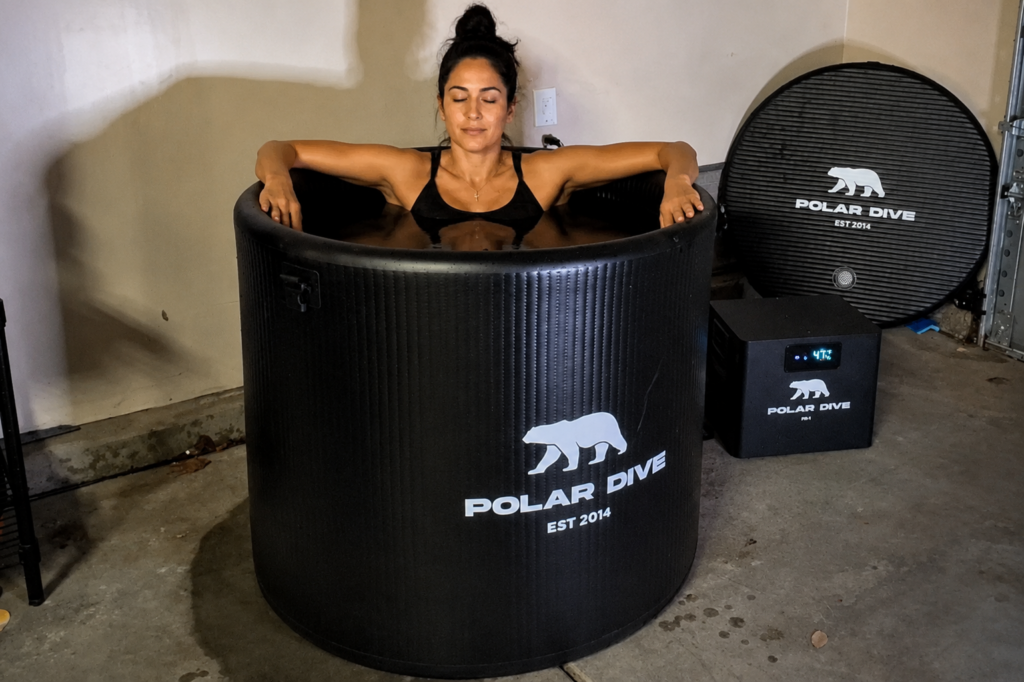
That makes cold therapy realistic for:
- home wellness spaces
- garages
- patios
- and home recovery setups
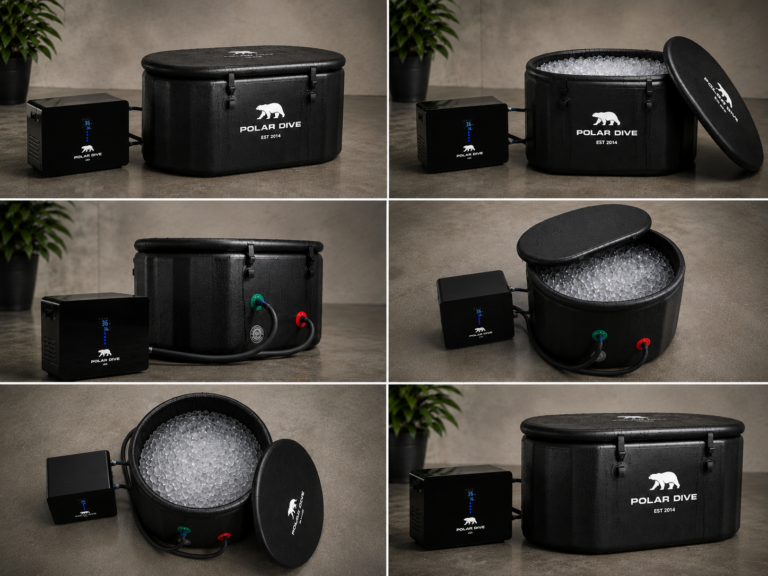
Many users also appreciate eliminating the constant need to buy bags of ice.
Wellness Is About Supporting the Whole System
One of the healthiest shifts happening today is moving away from isolated symptom thinking.
The body functions as an integrated system.
- Stress affects sleep.
- Sleep affects recovery.
- Recovery affects inflammation.
- Inflammation and nervous system balance influence immune resilience.
That is why more wellness-focused individuals are building routines centered around:
- recovery
- resilience
- stress adaptation
- movement
- sleep
- hydration
- and nervous system balance
Cold therapy fits naturally into this broader, system-focused philosophy of wellness.
Who Polar Dive Is Best For
Polar Dive may be especially useful for:
- wellness enthusiasts
- recovery-focused individuals
- busy professionals
- home gym owners
- and people interested in resilience-based wellness routines
It is particularly appealing for those focused on:
- stress management
- recovery
- circulation
- and sustainable health habits
Check Polar Dive availability and current offers
Are Cold Plunges Safe?
Cold plunges are generally well tolerated by healthy individuals when practiced responsibly.
However, people with:
- cardiovascular conditions
- uncontrolled hypertension
- significant circulation disorders
- or other medical concerns
should consult a healthcare professional before beginning cold exposure.
Beginners should:
- start gradually
- keep sessions short at first
- avoid extreme temperatures until they gain experience
- and prioritize slow, controlled breathing rather than pushing through discomfort
Frequently Asked Questions
Does stress affect immune wellness?
Yes. Chronic stress may influence recovery, inflammation, nervous system balance, and overall resilience, which all play roles in how the immune system functions.
Why is recovery important for wellness?
Recovery supports sleep quality, nervous system regulation, inflammation balance, and overall resilience, giving the body time and space to repair itself.
What is hormesis?
Hormesis refers to controlled stressors that encourage the body to adapt positively over time—such as exercise or brief cold exposure followed by recovery.
Why are people using cold plunges?
Many people use cold therapy to support recovery, stress resilience, circulation, and consistent wellness routines, often as part of a broader lifestyle plan.
Is Polar Dive beginner friendly?
Yes. Polar Dive is designed to make cold therapy affordable and practical for everyday users, with compact, energy-efficient systems suitable for typical home spaces.
Final Thoughts
Supporting long-term wellness—and immune resilience—requires more than simply adding supplements.
The body depends on:
- recovery
- sleep
- stress regulation
- nervous system balance
- and sustainable lifestyle habits
That is why recovery-based wellness is becoming such an important movement.
Cold therapy is gaining attention because many people find it helps support:
- resilience
- recovery
- stress adaptation
- and overall wellness
With affordable systems like Polar Dive, cold therapy is now accessible to far more people who want to build stronger, more resilient daily routines.