Cold plunges used to be considered extreme.
Most people associated cold water immersion with:
- professional athletes
- elite recovery facilities
- or social media biohackers pushing limits for views
But over the last few years, cold therapy has moved far beyond niche wellness circles.
Today, more people use cold plunges as part of broader routines built around:
- recovery
- resilience
- circulation
- stress management
- energy
- and long-term wellness
Why?
Because both growing research and real-world experience suggest cold exposure can influence several important systems in the body.
Cold therapy is not a miracle cure.
But it is rooted in a real, measurable physiological response, which helps explain why so many people report benefits for:
- recovery
- focus
- resilience
- and overall well-being
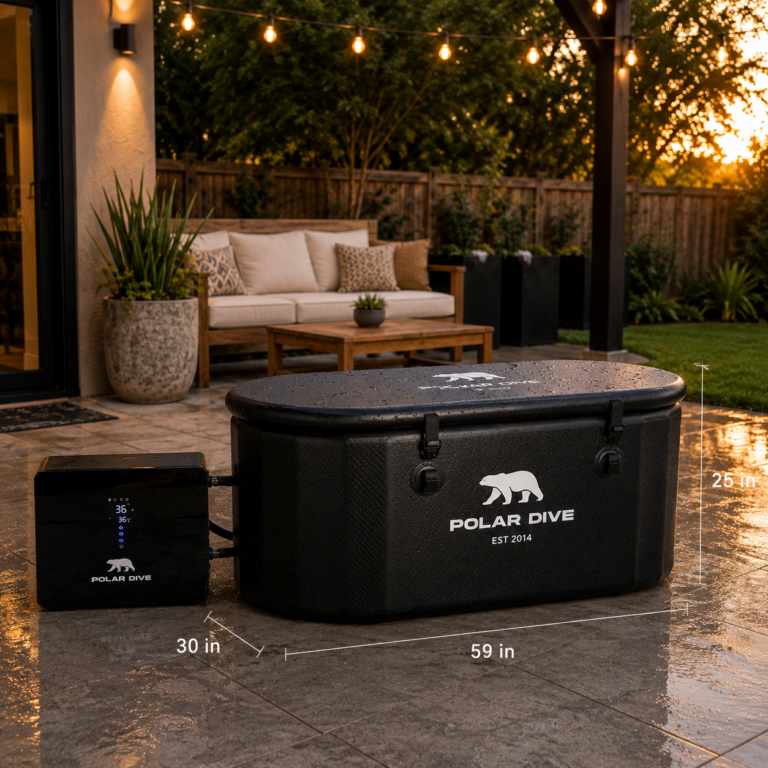
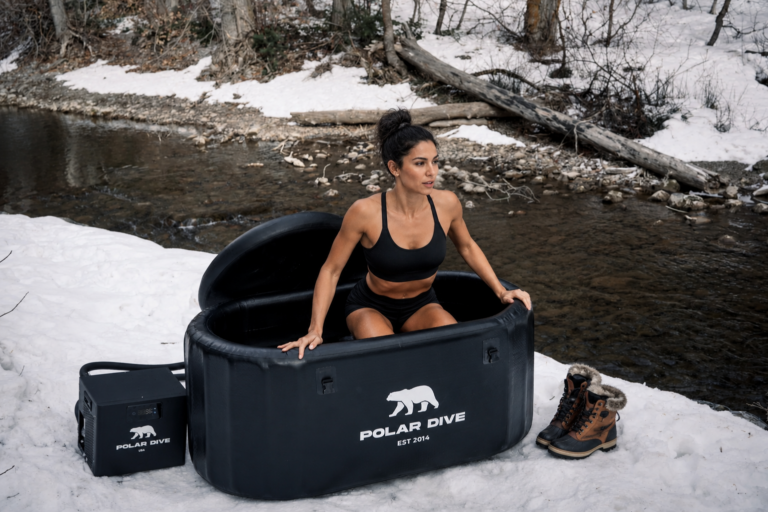
And with affordable systems like Polar Dive, cold therapy is now practical for normal households—not just luxury wellness spaces.
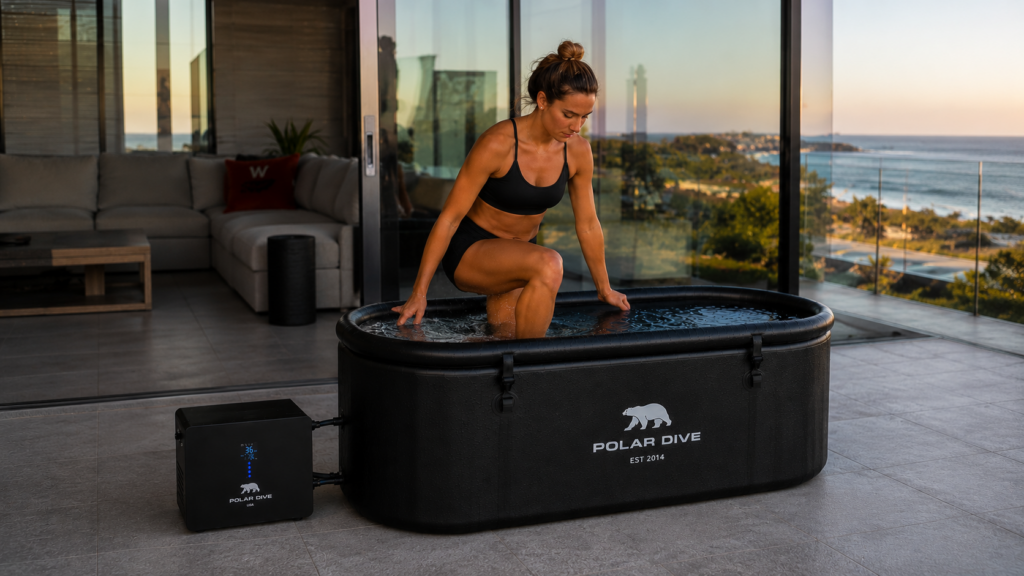
Quick Snapshot: What Cold Exposure Touches in the Body
| System / Process | What Cold Exposure May Influence |
| Nervous system | Stress response, alertness, resilience |
| Norepinephrine | Short-term increase linked to focus/energy |
| Circulation | Vessel constriction/expansion, blood flow |
| Brown fat & thermo | Heat production and temperature regulation |
| Recovery perception | Many users report improved recovery sensation |
This is why cold plunges show up in conversations about whole-body wellness, not just athletic recovery.
What Happens to the Body During Cold Exposure?
When your body enters cold water, several systems activate almost immediately.
- Breathing changes rapidly
- Heart rate increases
- Blood vessels constrict
- Stress hormones rise
- The nervous system becomes highly alert
This is part of the body’s natural survival mechanism, designed to preserve heat and maintain stability.
At first, cold exposure feels uncomfortable because the body interprets the temperature drop as stress.
Over time, many people adapt to that experience and learn to work with the response instead of fighting it.
That adaptation is a key reason cold therapy has become so interesting to wellness and recovery communities.
The Role of Norepinephrine
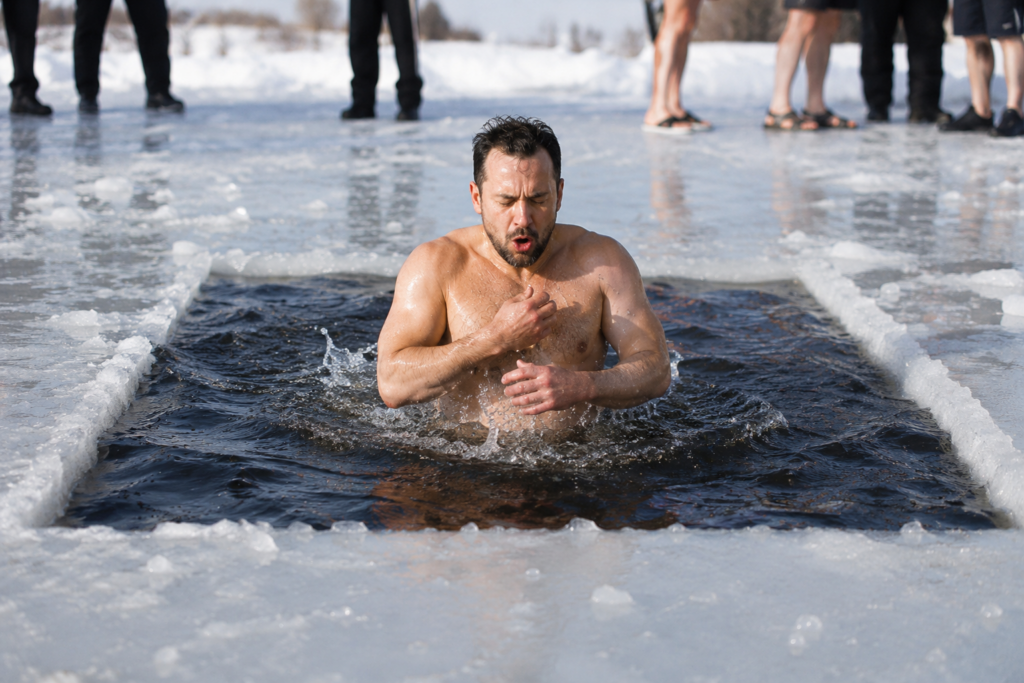
One of the most discussed pieces of cold exposure science is norepinephrine.
Norepinephrine is both a neurotransmitter and a stress hormone involved in:
- alertness
- focus
- attention
- mood regulation
- and stress response
Cold exposure can significantly increase norepinephrine levels for a period of time.
This helps explain why many people report feeling:
- mentally sharp
- energized
- focused
- and highly alert
after cold plunges.
Unlike the jittery feeling that can come from too much caffeine or stimulants, people often describe cold-plunge energy as:
- calm
- grounded
- and clear
That difference is a big reason cold therapy has become popular among:
- entrepreneurs
- athletes
- executives
- and performance-focused individuals
See How Polar Dive Supports Focus and Natural Energy
Brown Fat and Thermogenesis
Another major topic linked to cold exposure is brown fat activation.
Unlike typical white fat, brown fat is rich in mitochondria, which help generate heat through a process called thermogenesis.
Brown fat plays a role in helping the body regulate temperature during cold exposure.
Research suggests cold exposure may stimulate brown fat activity, which can contribute to:
- increased energy expenditure
- improved temperature regulation
- and metabolic adaptation over time
Cold plunges are not a “fat loss shortcut,” but many wellness enthusiasts are interested in these thermogenic and metabolic effects as part of long-term health and whole-body resilience.
Cold Exposure and Circulation
Cold exposure also creates noticeable changes in circulation.
When you enter cold water:
- blood vessels near the skin constrict
- blood flow shifts toward the core
- the body works to protect and preserve internal temperature
After you leave the cold environment and begin to warm up, circulation adapts again as blood vessels dilate.
This circulatory response is one reason many people use cold therapy as part of:
- recovery routines
- athletic recovery
- and wellness practices focused on resilience and adaptation
Healthy circulation plays a role in:
- delivering oxygen
- transporting nutrients
- supporting waste removal
- and overall physical function
Why Recovery Is Becoming Such a Big Wellness Focus
Modern life places enormous pressure on the body.
Many people are:
- chronically stressed
- sleep deprived
- overstimulated
- mostly sedentary
- and mentally exhausted
Over time, this can influence:
- inflammation
- recovery capacity
- sleep quality
- nervous system balance
- and overall resilience
People are realizing a simple truth:
The body cannot perform well without recovery.
This realization is fueling the rise of recovery-focused wellness, where people place more emphasis on:
- sleep optimization
- stress management
- recovery practices
- and nervous system regulation
Cold therapy is becoming part of that bigger shift toward sustainable, resilience-focused health.
Understanding Hormesis
A key reason cold exposure interests researchers is the concept of hormesis.
Hormesis describes small, controlled stressors that encourage the body to adapt positively over time.
Exercise is a classic example:
- Muscles experience stress
- The body adapts
- Strength and capacity improve through recovery
Cold exposure appears to work in a similar way.
The goal is not to crush the body.
The goal is manageable stress followed by adaptation and recovery.
This type of hormetic stress may help support:
- resilience
- stress tolerance
- nervous system regulation
- and overall recovery capacity
Cold plunges, used wisely, become a way to practice adaptation rather than add more random stress to an already overloaded life.
Why Many People Feel Better After Cold Plunges
One of the most striking things about cold therapy is how many users report similar experiences afterward.
People often describe feeling:
- calmer
- mentally clearer
- more energized
- emotionally grounded
- and physically refreshed
Part of this may come from a combination of:
- nervous system activation
- circulation shifts
- stress adaptation
- and norepinephrine release
Many people also find cold plunging mentally strengthening because it teaches:
- breathing control
- emotional regulation
- and stress tolerance
In other words, cold plunges become both a physical and a mental training tool.
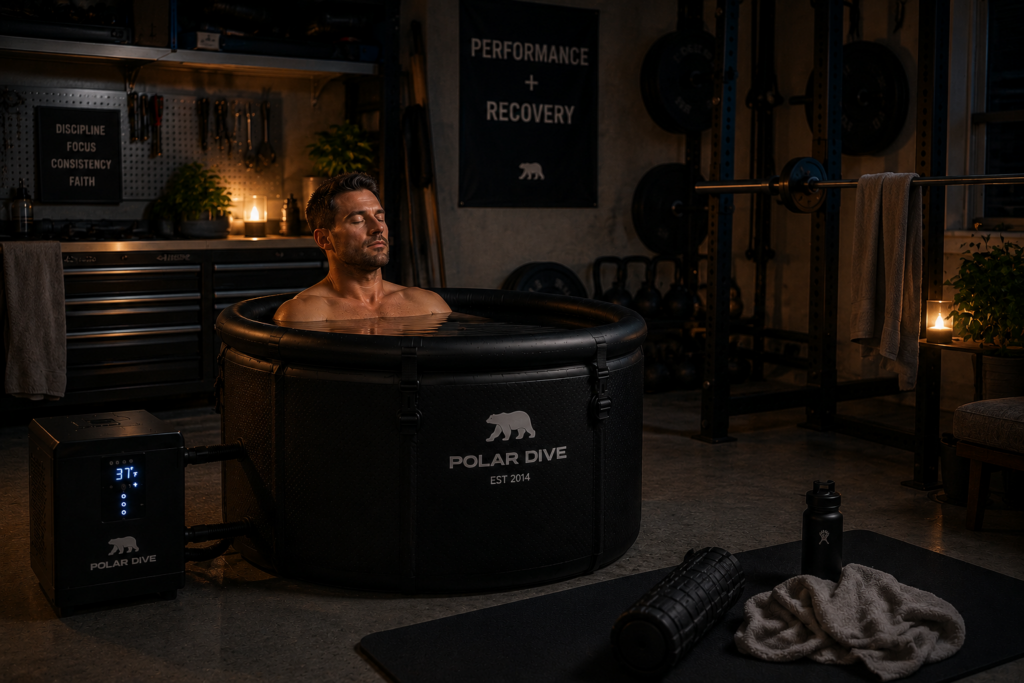
Ready to Experience the Science of Cold Exposure in Your Own Routine?
If you are curious about cold therapy but do not want a $10,000 spa setup, an affordable system makes it easy to test the benefits for yourself.
- Designed for real homes, not just pro facilities
- Supports recovery, circulation, and stress adaptation
- Turns a few focused minutes into a powerful daily or weekly ritual
Explore Polar Dive cold plunge systems and current pricing:
Discover Polar Dive for science-backed home cold therapy »
Why Polar Dive Is Becoming So Popular
For years, the main barrier to cold therapy was access and cost.
Traditional cold plunge systems often:
- cost thousands of dollars
- required complex installation
- or took up a lot of space
Polar Dive helped make cold therapy realistic for normal households.
Instead of emphasizing luxury branding, Polar Dive focuses on:
- affordability
- practical design
- simplicity
- and effective cooling performance
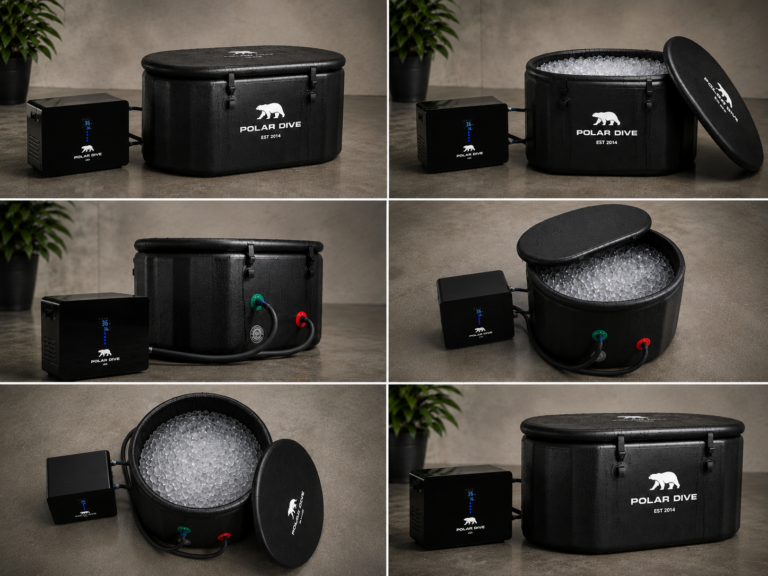
The system:
- chills water down to about 39°F
- works indoors or outdoors
- remains compact
- and is energy efficient
That makes cold therapy practical for:
- garages
- patios
- home gyms
- and backyard recovery spaces
Many users also love eliminating the constant hassle and expense of buying ice.
Check Polar Dive availability and see current offers
Wellness Is About Adaptation
One of the healthiest shifts in modern wellness is moving away from constant overstimulation and toward intentional adaptation.
More people are recognizing that long-term health depends on:
- recovery
- resilience
- sleep
- movement
- stress regulation
- and nervous system balance
Cold therapy fits naturally into that philosophy because it encourages adaptation rather than just masking exhaustion with more stimulation.
That is why cold plunges are becoming part of broader routines focused on sustainable health and resilience, not quick fixes.
Who Polar Dive Is Best For
Polar Dive may be especially useful for:
- wellness enthusiasts
- athletes and active individuals
- recovery-focused users
- home gym owners
- entrepreneurs and busy professionals
- and people interested in natural wellness routines
It is particularly appealing for those who care about:
- resilience
- recovery
- circulation
- and stress management
Are Cold Plunges Safe?
Cold plunges are generally well tolerated by healthy individuals when practiced responsibly.
However, anyone with:
- cardiovascular conditions
- uncontrolled hypertension
- significant circulation disorders
- or other medical concerns
should consult a healthcare professional before starting cold exposure.
Beginners should:
- start gradually
- avoid excessively long sessions
- be careful with very low temperatures at first
- and prioritize slow, controlled breathing
Frequently Asked Questions
What happens during a cold plunge?
Cold exposure activates changes in circulation, stress hormones, nervous system activity, and thermoregulation mechanisms as the body works to maintain stability.
What is norepinephrine?
Norepinephrine is a neurotransmitter and stress hormone involved in focus, alertness, attention, mood regulation, and the stress response.
What is hormesis?
Hormesis refers to controlled stressors that encourage positive adaptation over time, such as exercise or brief cold exposure followed by recovery.
Why do people feel energized after cold plunges?
Cold exposure activates the nervous system and may increase norepinephrine levels, which many people experience as calm, clear, natural energy rather than jittery stimulation.
Is Polar Dive beginner friendly?
Yes. Polar Dive is designed to make cold therapy practical and affordable for everyday users, with compact, energy-efficient systems that work in typical home spaces.
Final Thoughts
Cold therapy is becoming increasingly popular because it connects directly to multiple wellness systems:
- recovery
- resilience
- circulation
- stress adaptation
- and nervous system regulation
The science behind cold exposure is still evolving, but many people already find cold plunges useful for:
- improving routines
- supporting recovery
- building resilience
- and creating healthier lifestyles
With affordable systems like Polar Dive, cold therapy is now far more accessible for people pursuing sustainable whole-body wellness at home.